ADT Technologies: Telematics, Payload Sensors & Automation Tips
In today's rapidly evolving technological landscape, Advanced Driver Assistance Systems (ADT) are making significant strides, particularly in sectors involved with vehicle technology. ADT systems, with their integration of telematics, payload sensors, and automation, are setting new standards in efficiency and safety. This article ventures into the key educational insights on these technologies, helping to understand their functions, applications, and implications.
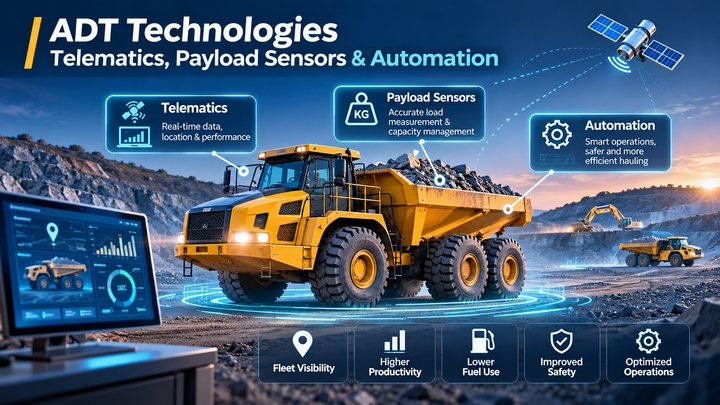
Telematics is the backbone of modern ADT systems, offering a sophisticated blend of telecommunications and informatics. Essentially, telematics allows for the seamless exchange of information between vehicles and various data centers. This technology is particularly pivotal in fleet management where it plays a crucial role in tracking vehicle movements, driver behavior, and even engine diagnostics in real-time. Through telematics, operators can optimize route planning, reduce operational costs, and ensure the safety and efficiency of their fleets.
In the context of individual drivers and consumer-owned vehicles, telematics similarly enhances user experience and safety. Technologies such as GPS navigation, real-time traffic updates, and even emergency response coordination emerge from telematics systems. Educational programs focusing on telematics often cover these applications, exploring their influence on driving habits, accident prevention, and the overall impact on road safety and logistics.
Payload sensors are another critical component within the ADT framework, particularly significant in sectors relying on transportation and logistics. These sensors are designed to measure the weight and distribution of a vehicle's load. By doing so, they ensure vehicles operate within legal weight limits, thereby preventing potential infractions and accidents due to overloading. Educational initiatives in this area highlight the importance of payload sensors in enhancing operational safety and efficiency.
Moreover, payload sensors contribute significantly to vehicle maintenance and lifecycle management. Proper load distribution, as monitored by these sensors, can prevent undue wear and tear on the vehicle's chassis and drivetrain, thus extending the operational life of the vehicles. This aspect is frequently explored in educational materials, emphasizing the importance of maintaining optimal vehicle conditions through innovative sensor technologies.
Automation is arguably the most transformative trend within ADT technologies, revolutionizing the approach to driving and vehicle operation. At its core, automation seeks to reduce human intervention in vehicle operation, thereby enhancing precision, efficiency, and safety. Automated driving systems, widely known as self-driving technologies, leverage a combination of sensors, cameras, and artificial intelligence to navigate roads with minimal human input.
The principles of automation are deeply embedded in educational programs that focus on ADT systems, providing a foundation for understanding how these technologies integrate into modern vehicles. The role of machine learning algorithms, sensor fusion, and data analysis in developing autonomous systems are key study areas, particularly as these technologies move towards widespread implementation.
The integration of automation into ADT systems is not limited to self-driving vehicles. Automation is also employed in features like adaptive cruise control, lane-keep assistance, and automated parking systems. Such technologies are designed to assist drivers in challenging scenarios, reducing cognitive load and enhancing driving comfort. Educational resources often explore how these systems work in harmony with traditional driving systems to create a safer driving environment.
Another educational aspect of automation within ADT is its implication on future employment and industry practices. As vehicles become increasingly autonomous, the roles of drivers, fleet managers, and other personnel within the transport industry are likely to evolve. Understanding these trends is critical for educational institutions looking to prepare students and professionals for future industry standards.
The environmental impact of ADT technologies is another key area explored in educational resources. Telematics and automation both contribute to the potential reduction in fuel consumption and emissions, aligning with global sustainability goals. By enhancing route optimization through telematics and reducing unnecessary idling with automated systems, ADT technologies contribute to more eco-friendly transportation solutions.
Educational initiatives often also cover the ethical and legal considerations surrounding ADT technologies. As these systems become more prevalent, discussions around data privacy, decision-making algorithms in emergency scenarios, and regulatory measures become increasingly important. Educational curricula are starting to incorporate modules that address these vital issues, ensuring that learners are not only technically proficient but also ethically aware.
Another critical aspect for educational exploration is the technological challenges and limitations in implementing ADT systems. Understanding the technical hurdles in sensor accuracy, data processing power, and integration with existing vehicle infrastructural systems can provide insights into ongoing research and development efforts. This area of study also highlights the necessity for interdisciplinary collaboration among engineers, computer scientists, and industry professionals to push the boundaries of what is currently possible with ADT technologies.
The future of ADT technologies holds great promise, with continual advancements expected in vehicle-to-everything (V2X) communication and enhanced artificial intelligence capabilities. As educational programs evolve, they are tasked with keeping pace with these technological developments, ensuring that learners are equipped with up-to-date knowledge and practical skills.
In conclusion, ADT technologies encompass a broad and dynamic range of systems that are reshaping how vehicles interact with their environment and operators. Through educational exploration of telematics, payload sensors, and automation, individuals can gain critical insights into the current capabilities and future potentials of these technologies. As the landscape of vehicle technologies advances, education will continue to play a crucial role in cultivating the knowledge and expertise needed to harness these systems effectively and responsibly.