Designer Handbags Guide: Luxury Brands, Styles and Materials
Designer handbags combine practical storage with fashion design, craftsmanship, and brand identity. They range from structured leather totes and shoulder bags to compact evening clutches, crossbody bags, and distinctive statement pieces.
Understanding luxury brands, handbag styles, materials, construction methods, and care requirements helps readers compare different designs and understand why handbags vary in appearance, durability, and price. This guide explains the main characteristics of designer handbags, current fashion trends, and relevant consumer considerations.
Understanding Designer Handbags
What Are Designer Handbags?
Designer handbags are bags created under the direction of fashion designers or established fashion houses. Their identity may be shaped by a recognizable silhouette, material selection, hardware, stitching, decorative details, and the design language associated with a particular brand.
The modern handbag industry developed alongside changes in clothing, travel, urban life, and personal accessories. As handbags became part of everyday wardrobes, fashion houses began creating designs that combined practical features with distinctive visual styles.
Luxury handbags may involve detailed pattern development, material selection, specialist stitching, edge finishing, and hardware installation. Production methods differ by brand and model, so the term designer does not automatically indicate a particular manufacturing location, material grade, or level of craftsmanship.
Luxury Brands and Their Design Identities
Several international fashion houses are associated with designer handbags, including Chanel, Hermès, Louis Vuitton, Gucci, Prada, Dior, Saint Laurent, and Bottega Veneta. Each has its own history, design vocabulary, product range, and approach to materials.
For example, Chanel is associated with quilted handbag designs, while Hermès is known for structured leather bags such as the Birkin and Kelly. Louis Vuitton has a long association with monogram canvas, Gucci uses a range of signature motifs and hardware, and Bottega Veneta is widely recognized for woven leather designs.
These examples describe recognizable design associations rather than fixed rules. Individual collections may use different shapes, colors, materials, and decorative features.
How Designer Handbags Differ
Designer handbags can differ in several ways:
Design: Shape, proportions, handles, closures, and decorative details influence appearance.
Construction: Stitching, lining, reinforcement, edge finishing, and hardware attachment affect how a bag is assembled.
Materials: Leather, coated canvas, textiles, and synthetic alternatives have different characteristics.
Function: Compartments, straps, closures, and dimensions determine how the bag works for daily use.
Brand identity: Logos, patterns, signature hardware, and recognizable silhouettes may distinguish one fashion house from another.
A handbag’s overall characteristics depend on the specific model rather than the brand name alone.
Styles, Materials and Everyday Use
Common Designer Handbag Styles
Different handbag styles are designed around particular carrying methods and practical needs.
Tote bags: Usually have a spacious main compartment and two handles. They can accommodate everyday belongings, documents, or personal accessories.
Shoulder bags: Hang from one shoulder using a strap or handle. Their dimensions range from compact evening designs to larger everyday models.
Crossbody bags: Use a longer strap that crosses the body, leaving the hands available for other activities.
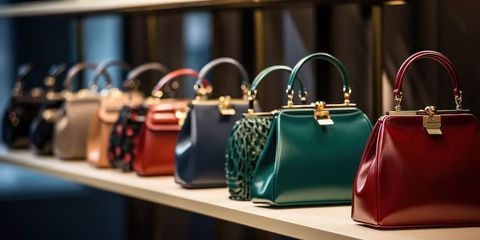
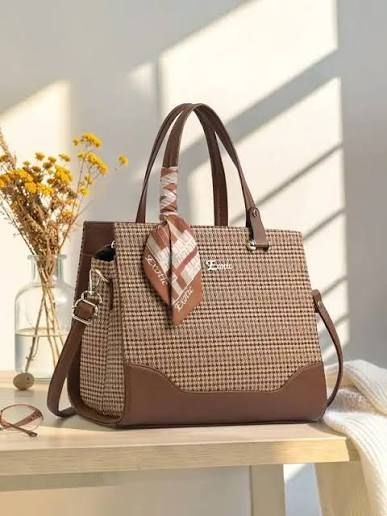
Top-handle bags: Have a handle at the top and may include an additional shoulder strap. Many use structured shapes.
Clutches: Small bags commonly carried by hand, often used for formal events or occasions requiring only a few belongings.
Hobo bags: Generally have a soft, curved shape and a relaxed appearance.
Satchels: Often feature a defined structure, a flap or zipper closure, and a handle or shoulder strap.
Mini bags: Compact designs intended for a limited number of small items.
The most suitable style depends on carrying needs, comfort, clothing preferences, and the setting in which the bag will be used.
Materials Used in Designer Handbags
Material selection affects a handbag’s texture, weight, flexibility, appearance, and care requirements.
Full-grain leather: This leather retains the outer surface of the hide and may display natural markings. It can develop changes in color and texture through use, depending on its treatment and environmental exposure.
Top-grain leather: This material has had some of the outer surface altered or refined. Its finish varies according to the manufacturing process, and it may have a more uniform appearance than untreated full-grain leather.
Suede and nubuck: These materials have a soft, textured surface. They can be sensitive to moisture, oils, and staining, making careful handling important.
Coated canvas: Textile material with a protective coating is used in some patterned handbags. Its flexibility, weight, and cleaning requirements depend on the fabric and coating.
Textiles and synthetic materials: Nylon, woven fabrics, and synthetic leather alternatives are used in different handbag categories. Their durability and environmental characteristics depend on their composition, construction, and intended use.
Comparing Materials
| Material | Typical characteristics | Care considerations |
|---|---|---|
| Full-grain leather | Natural surface, may develop a patina | Protect from prolonged moisture and heat |
| Top-grain leather | Refined surface with varied finishes | Follow finish-specific cleaning guidance |
| Suede | Soft, textured surface | Avoid excessive moisture and oily contact |
| Coated canvas | Printed or patterned surface | Use cleaning methods suitable for the coating |
| Nylon | Lightweight and flexible | Check washing and stain-removal instructions |
| Synthetic leather | Manufactured surface with varied textures | Avoid harsh chemicals and excessive heat |
Material names alone do not determine the lifespan of a handbag. Construction quality, frequency of use, storage conditions, and maintenance also influence how the item ages.
Matching Handbag Styles to Daily Activities
A structured tote may suit carrying notebooks or work-related belongings, while a crossbody bag may be convenient for walking or travel. Compact shoulder bags can accommodate everyday essentials without the size of a larger tote.
For formal events, a clutch or small top-handle bag may fit the setting. When evaluating a design, practical details such as strap length, bag weight, internal pockets, closure type, and access to frequently used items can matter as much as appearance.
Recent Trends in Designer Handbags, 2024–2026
Changing Shapes and Proportions
Recent handbag trends have included compact mini bags, oversized totes, soft shoulder bags, and structured designs inspired by traditional silhouettes. Rather than following one uniform direction, contemporary collections contain a range of proportions to suit different wardrobes and occasions.
Neutral shades such as black, brown, beige, and cream remain common across many collections. Seasonal colors, metallic finishes, bright shades, and decorative textures also appear in fashion releases.
Interest in Craftsmanship and Material Origins
Consumers and fashion commentators increasingly discuss construction details, material sourcing, repair options, and product longevity. These factors have become part of broader conversations about responsible consumption and the long-term use of fashion accessories.
Some brands publish information about leather sourcing, production methods, or environmental initiatives. The level of detail differs, and a general sustainability statement does not by itself establish the environmental impact of an individual handbag.
Pre-Owned Luxury Handbags
The pre-owned handbag market includes previously owned pieces from established fashion houses. Buyers and collectors may consider older models because of their design history, discontinued features, condition, or personal significance.
Authentication and condition assessment remain important concerns. Serial numbers, date codes, receipts, packaging, and brand-specific details may help with an assessment, but no single feature proves authenticity across all brands and production periods.
Digital Shopping and Product Information
Online retail has made product photographs, dimensions, material descriptions, and collection details more accessible. However, lighting, image editing, screen settings, and photography angles can make colors and textures appear different from their real-world appearance.
Detailed product descriptions and photographs of handles, corners, interiors, stitching, labels, and hardware can help readers understand a particular model. For second-hand items, clear information about repairs, stains, wear, and missing accessories is also relevant.
Consumer Laws and Policies in India
Consumer Protection and Product Claims
In India, the Consumer Protection Act, 2019 provides a framework addressing consumer rights, unfair trade practices, and misleading advertisements. Its relevance to designer handbags may arise when product descriptions, brand representations, material claims, or authenticity statements are misleading.
The Consumer Protection (E-Commerce) Rules, 2020 also establish requirements relevant to covered online retail activities. Applicable obligations depend on the seller, platform, transaction, and current rules.
Consumers should review the product description, seller identity, return conditions, invoice details, and written claims about materials or authenticity. Documentation can be useful if a dispute arises.
Counterfeit Goods and Trademarks
Designer handbags may feature brand names, logos, monograms, and distinctive design elements protected by intellectual property laws. India's Trade Marks Act, 1999 addresses trademark registration and infringement, while other legal provisions may apply to counterfeit goods and related conduct.
A handbag displaying a familiar logo is not necessarily authentic. Suspiciously inconsistent branding, poor finishing, unusual packaging, or unsupported claims about provenance may justify further examination, although appearance alone cannot establish a legal conclusion.
Online Purchases and Consumer Awareness
Online transactions can make it difficult to inspect materials and construction before receiving a handbag. Consumers should keep order confirmations, invoices, product descriptions, payment records, and communication related to the transaction.
Return eligibility and complaint procedures depend on applicable law and the seller's stated terms. A return policy should be reviewed before a transaction rather than assumed to apply uniformly to all luxury goods.
Tools and Resources for Handbag Research and Care
Brand Catalogues and Product Specifications
Official brand catalogues can help readers check model names, dimensions, materials, strap configurations, lining, and available colors. Comparing these details with a specific item can help identify differences between similar designs.
Brand information is particularly useful when researching older models or examining a pre-owned handbag. Product specifications can change across collections, so comparisons should account for model variations and production periods.
Authentication and Condition Assessment
Authentication may involve examining material texture, stitching, hardware, construction, labels, branding, and documentation together. Some professional authentication providers use brand-specific reference information and trained assessors, but the scope and reliability of an assessment can vary.
For a pre-owned handbag, a condition checklist can record:
Exterior scratches, stains, cracks, and color changes
Wear on corners, handles, and strap attachments
Zipper, clasp, and hardware condition
Interior lining marks and odors
Signs of repair or replacement components
Available invoices, packaging, and ownership records
Storage and Maintenance Resources
Care instructions from the manufacturer are relevant because leather finishes, coatings, dyes, and textiles respond differently to cleaning products. General precautions include storing handbags in a dry location, avoiding prolonged direct sunlight, keeping them away from excessive heat, and not overfilling structured designs.
Breathable storage materials and gentle handling can help limit scratches and shape changes. Strong cleaners, untested chemicals, and excessive moisture may damage certain finishes.
Frequently Asked Questions
What are the main types of designer handbags?
Common types include totes, shoulder bags, crossbody bags, top-handle bags, clutches, satchels, hobo bags, and mini bags. Their differences relate to size, structure, carrying method, closure, and intended use.
Which materials are commonly used in luxury handbags?
Luxury handbags may use full-grain leather, top-grain leather, suede, nubuck, coated canvas, nylon, textiles, and synthetic alternatives. Material characteristics and care requirements vary according to the finish and construction.
How can someone check whether a designer handbag is authentic?
An assessment may consider construction, materials, hardware, branding, model details, and supporting documentation. No single serial number, receipt, label, or packaging feature establishes authenticity for every brand and model.
Are pre-owned designer handbags different from new ones?
Pre-owned handbags have been previously owned and may show wear, repairs, or changes in color and shape. Their condition and available documentation vary by item, so individual assessment matters.
How should designer handbags be stored?
Handbags should generally be kept in a dry, clean place away from prolonged sunlight and excessive heat. Shape support and suitable storage materials can help reduce creasing, while manufacturer guidance should determine any specific cleaning method.
Conclusion
Designer handbags combine fashion design, practical features, materials, and construction methods that vary by brand and model. Understanding handbag styles, leather types, textiles, and care requirements helps explain differences in appearance and everyday use. Current trends include varied silhouettes, interest in material sourcing, pre-owned luxury goods, and greater access to online product information. In India, consumer protection and trademark laws are relevant to product claims, online transactions, and counterfeit goods.