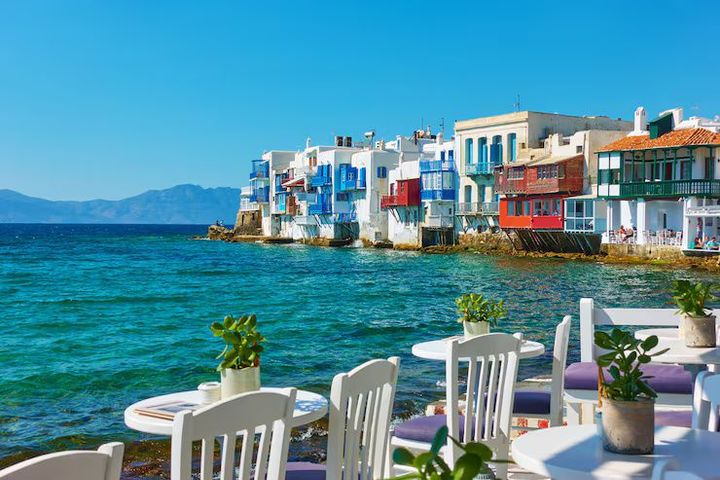
Explore Greece: Top Destinations, Hidden Gems, and Travel Tips
Explore Greece is a broad concept that refers to understanding the country’s geography, culture, history, and travel patterns. Located in southeastern Europe, Greece has a long history that dates back thousands of years, influencing philosophy, architecture, and governance across the world. Today, it is known for its diverse landscapes, including islands, mountains, coastal towns, and archaeological sites.
Travel to Greece often includes well-known destinations such as Athens, Santorini, and Crete, along with lesser-known areas that reflect local traditions and quieter environments. The idea of discovering both popular locations and hidden gems has become an important part of modern travel planning. This approach helps visitors gain a more complete understanding of the country beyond commonly visited landmarks.
The topic also includes practical travel tips that support informed decision-making. These tips may cover transportation, cultural practices, seasonal variations, and planning considerations that can affect the overall experience.
Importance
Understanding how to explore Greece is important for travelers who want to balance cultural learning with practical planning. The country attracts a wide range of visitors, including those interested in history, nature, food traditions, and coastal environments. Without proper knowledge, travelers may face challenges such as overcrowding in certain areas, limited transport options in remote regions, or misunderstandings of local customs.
This topic also matters because tourism plays a significant role in Greece’s economy. As travel patterns evolve, there is increasing attention on sustainable practices and regional distribution of visitors. Exploring hidden gems, for example, can reduce pressure on heavily visited islands while supporting smaller communities.
For everyday travelers, clear information helps address common concerns such as navigating public transportation, choosing travel seasons, and understanding entry requirements. It also supports responsible travel by encouraging respect for local heritage sites and environmental conditions.
Recent Updates
In recent years, travel trends in Greece have shown noticeable changes. There has been a growing interest in lesser-known islands and inland destinations, reflecting a shift away from heavily crowded areas. Regions such as Epirus, the Pelion Peninsula, and smaller Cycladic islands have gained attention for their landscapes and cultural authenticity.
Digital tools have also influenced how people explore Greece. Mobile applications for ferry schedules, accommodation mapping, and local guides have made travel planning more flexible. Additionally, improvements in infrastructure, including upgraded regional airports and road networks, have made access to remote areas easier.
Sustainability has become a key focus. Local authorities and communities are increasingly promoting environmentally responsible tourism. This includes managing visitor numbers in sensitive areas and encouraging off-season travel to balance demand throughout the year.
Laws or Policies
Travel in Greece is shaped by national and European regulations. As a member of the European Union and the Schengen Area, Greece follows standardized entry and visa rules for international visitors. Travelers from many countries can enter for short stays under visa-free arrangements, while others may require a Schengen visa.
Cultural heritage protection laws are also important. Archaeological sites, monuments, and historical structures are protected under strict regulations. Visitors are expected to follow guidelines such as restricted access zones and limitations on photography in certain areas.
Environmental policies influence travel in natural regions, including national parks and coastal zones. These policies aim to preserve biodiversity and maintain ecological balance. In some cases, visitor numbers may be controlled, and specific rules apply to activities like camping or boating.
Transportation policies also play a role. Ferry networks, which are essential for island travel, are regulated to ensure safety and connectivity. Public transportation systems in major cities operate under national guidelines that support accessibility and efficiency.
Tools and Resources
Several tools and resources can help individuals explore Greece more effectively. These platforms support trip planning, navigation, and cultural understanding.
- Travel planning platforms such as interactive maps allow users to compare destinations and create itineraries based on interests.
- Ferry schedule websites provide updated information on routes, timings, and connections between islands.
- Navigation applications assist with public transportation, walking routes, and local directions in cities and rural areas.
- Cultural heritage websites provide background information on historical sites, including visiting hours and guidelines.
- Weather tracking tools help travelers prepare for seasonal variations, especially in coastal and mountainous regions.
Below is a simple overview of common travel resources:
| Resource Type | Purpose | Example Use Case |
|---|---|---|
| Mapping tools | Route planning and navigation | Finding directions in Athens |
| Ferry information sites | Checking island connections | Planning travel between Cycladic islands |
| Cultural platforms | Learning about historical landmarks | Understanding ancient ruins |
| Weather tools | Monitoring climate conditions | Preparing for summer or winter travel |
FAQs
What are the main destinations to explore Greece?
Common destinations include Athens for historical landmarks, Santorini for volcanic landscapes, Crete for diverse geography, and Thessaloniki for cultural experiences. Each region provides different insights into Greek life and history.
Are there hidden gems to explore Greece beyond popular islands?
Yes, several lesser-known areas offer unique experiences. Locations such as Naxos, Zagori, and the Pelion Peninsula are often described as hidden gems due to their natural scenery and traditional villages.
What travel tips should be considered when planning to explore Greece?
Important travel tips include checking seasonal weather conditions, understanding ferry schedules, respecting local customs, and planning visits to major attractions during less crowded hours.
Is transportation easy when exploring Greece?
Transportation options vary by region. Major cities have organized public systems, while islands rely on ferries and local transport. Planning routes in advance can improve travel efficiency.
When is a suitable time to explore Greece?
Spring and early autumn are often considered comfortable periods due to moderate temperatures and manageable visitor levels. Summer is popular but may involve higher crowd density in certain areas.
Conclusion
Exploring Greece involves a combination of historical knowledge, geographic awareness, and practical planning. The country offers a wide range of destinations, from well-known cities to quieter regions that reflect local traditions. Understanding travel patterns, policies, and available tools can help individuals navigate their journeys more effectively. By considering both popular locations and hidden gems, travelers can gain a broader perspective on Greece’s cultural and natural landscape.