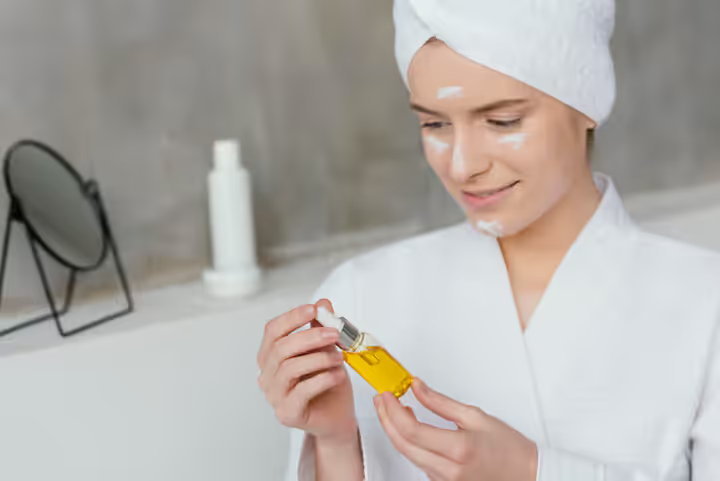
Vitamin C, Niacinamide and Hyaluronic Acid: A Guide to Benefits, Uses and Skincare Routines
Vitamin C, niacinamide, and hyaluronic acid are widely used ingredients in modern skincare routines. Each has a different cosmetic role: vitamin C is commonly associated with antioxidant support and skin appearance, niacinamide with barrier support and oil balance, and hyaluronic acid with hydration.
Understanding their uses, formulation differences, application order, and compatibility can help people build a simple skincare routine based on their individual skin characteristics.
Context
Understanding the Three Ingredients
Vitamin C is a water-soluble vitamin that occurs naturally in foods and is also used in topical cosmetic formulations. In skincare, different forms of vitamin C can be used, including L-ascorbic acid and several vitamin C derivatives.
Niacinamide is a form of vitamin B3. It is commonly incorporated into cosmetic products such as serums, moisturizers, and creams. Its cosmetic uses include supporting the skin barrier and improving the appearance of uneven skin tone and texture.
Hyaluronic acid is a substance that can attract and retain water. In topical skincare, it is generally used as a humectant to support skin hydration and create a smoother, more hydrated appearance.
How Their Roles Differ
Although these three ingredients are often discussed together, they do not perform exactly the same function. Vitamin C is primarily associated with antioxidant activity and skin appearance, niacinamide has several cosmetic functions related to the skin barrier and appearance, and hyaluronic acid primarily focuses on hydration.
Because their roles differ, they can appear in the same skincare routine. However, the complete product formulation, concentration, skin type, and individual tolerance are also relevant.
Vitamin C in Skincare
Topical vitamin C is commonly used in products designed to improve the appearance of dull or uneven-looking skin. Its antioxidant properties are one reason it is frequently included in daytime skincare routines.
Vitamin C can be sensitive to light, oxygen, heat, and formulation conditions. Different vitamin C derivatives can have different stability characteristics, textures, and formulation requirements.
Niacinamide in Skincare
Niacinamide is used in a wide range of cosmetic formulations. It is commonly associated with maintaining the skin barrier and improving the appearance of uneven skin tone, redness, and visible pores.
The concentration of niacinamide varies between products. Higher concentration does not automatically mean a product will be more appropriate for every person, particularly for people with sensitive skin.
Hyaluronic Acid in Skincare
Hyaluronic acid is used primarily for hydration. It can help attract water to the outer layers of the skin, contributing to a softer and more hydrated skin feel.
Products containing hyaluronic acid can have different molecular weights and formulation characteristics. The overall product composition matters when considering how a particular formula feels on the skin.
Importance
Why These Ingredients Matter
Skin can experience dryness, environmental exposure, changes in texture, and uneven appearance for many reasons. A skincare routine that combines appropriate cleansing, moisturization, and daytime sun protection can provide a basic framework, while specific ingredients can address particular cosmetic concerns.
Vitamin C, niacinamide, and hyaluronic acid are popular partly because they can serve different purposes within this framework. They can also be found in many product formats, including serums, moisturizers, cleansers, and combination formulas.
Comparing Their Common Uses
| Ingredient | Primary Cosmetic Role | Common Routine Placement | General Consideration |
|---|---|---|---|
| Vitamin C | Antioxidant support and skin appearance | Often morning | Formula stability matters |
| Niacinamide | Barrier support and skin appearance | Morning or evening | Concentration and tolerance matter |
| Hyaluronic acid | Hydration | Morning or evening | Usually paired with a moisturizer |
| Vitamin C + Niacinamide | Complementary skincare | Often morning or evening | Complete formula matters |
| Niacinamide + Hyaluronic Acid | Barrier and hydration focus | Morning or evening | Often suitable for simple routines |
This table describes general cosmetic uses rather than medical effects. Individual responses can vary.
Using Vitamin C and Niacinamide Together
Vitamin C and niacinamide can generally be used in the same skincare routine. Earlier skincare discussions sometimes suggested avoiding the combination because of concerns about chemical reactions, but modern cosmetic formulations can contain both ingredients in appropriately designed products.
Using them together is not necessary for every routine. A person can use one ingredient at a time depending on their skincare goals and tolerance.
Combining Hyaluronic Acid With Other Ingredients
Hyaluronic acid is often used alongside other skincare ingredients because its primary role is hydration. It can be incorporated into routines containing vitamin C, niacinamide, moisturizers, and sunscreen.
A common sequence is cleansing, applying a hydrating or treatment product, moisturizing, and applying daytime sunscreen. Product instructions may vary depending on the formulation.
Introducing New Ingredients
Introducing several new products simultaneously can make it difficult to identify which product is responsible if irritation occurs. A gradual approach can make individual tolerance easier to observe.
People with sensitive skin can consider testing a product on a small area before broader use. This does not eliminate the possibility of a reaction, particularly in people with known allergies.
Recent Updates
Greater Interest in Barrier-Focused Skincare
From 2024 through 2026, skincare discussions have increasingly emphasized the skin barrier and simpler routines. This has encouraged interest in moisturization, gentle cleansing, and avoiding excessive use of multiple active ingredients.
Niacinamide and hyaluronic acid fit naturally into this approach because they are commonly used in formulations focused on barrier support and hydration.
Improved Vitamin C Formulations
Cosmetic formulation research continues to explore ways of improving vitamin C stability and delivery. L-ascorbic acid remains widely discussed, while derivatives such as sodium ascorbyl phosphate, magnesium ascorbyl phosphate, and ascorbyl glucoside are also used in cosmetic products.
These forms can differ in stability, formulation requirements, and how they are used in finished products. The ingredient name alone does not determine the performance of a particular cosmetic formula.
Growth of Multi-Ingredient Formulas
Products combining multiple cosmetic ingredients have become increasingly common. A single serum or moisturizer may contain niacinamide, hyaluronic acid, botanical extracts, antioxidants, and other components.
Combination formulas can simplify a routine, but they can also make it more difficult to determine which ingredient is responsible for irritation or a change in skin appearance. Reading the complete ingredient list remains important.
Focus on Simple Routines
Another ongoing trend is simplified skincare. Rather than using numerous active products, many routines focus on a cleanser, moisturizer, sunscreen, and one or two targeted ingredients.
The appropriate routine depends on individual skin characteristics. People with persistent or significant skin concerns may require assessment from a qualified dermatologist.
Laws or Policies
Cosmetic Regulation in India
Vitamin C, niacinamide, and hyaluronic acid are used in cosmetic products sold in India. Cosmetics are regulated under India's applicable legal framework, including the Drugs and Cosmetics Act and Cosmetics Rules, 2020.
The Central Drugs Standard Control Organisation, or CDSCO, has regulatory responsibilities relating to cosmetics in India. Requirements can apply to manufacturing, imports, labeling, and other aspects of cosmetic products.
Ingredient and Label Information
Cosmetic packaging generally provides information about ingredients, net quantity, manufacturer or importer details, batch information, and other particulars required under applicable regulations.
Consumers can use the ingredient declaration to identify substances they may wish to avoid because of known sensitivities. Online product descriptions should be compared with the actual packaging when possible.
Cosmetic Claims
Cosmetic products are intended for uses permitted under the applicable regulatory framework. Statements about treating or curing a disease or medical condition can involve a different regulatory category from ordinary cosmetic claims.
Terms such as hydration, skin appearance, cleansing, and moisturizing generally describe cosmetic functions. Persistent acne, dermatitis, severe irritation, or other medical concerns may require professional evaluation rather than relying solely on cosmetic products.
Product Storage and Stability
Storage instructions can be particularly relevant for vitamin C formulations because some forms of vitamin C can be sensitive to environmental conditions. Product packaging may specify storage conditions, exposure limitations, and recommended usage periods.
Changes in color, odor, or texture can sometimes indicate changes in a formulation. Product-specific instructions should be followed when assessing whether a cosmetic remains suitable for use.
Tools and Resources
Ingredient Lists
The ingredient declaration is a useful starting point when comparing skincare products. It can help users identify vitamin C forms, niacinamide, hyaluronic acid, fragrance components, exfoliating acids, preservatives, and other formulation ingredients.
Ingredient lists should be considered as a complete formula rather than focusing on one familiar ingredient. The concentration and interaction of components can affect the final product.
Skincare Routine Planner
A simple routine planner can record the products used in the morning and evening. It can include cleanser, vitamin C, niacinamide, hyaluronic acid, moisturizer, and sunscreen.
Recording when a product is introduced can also make it easier to identify potential sources of irritation. This is an organizational tool rather than a medical assessment.
Patch Testing
A small-area test can be used by some consumers before introducing a new cosmetic product more broadly. It may help identify an obvious irritation response, although it cannot predict every type of reaction.
People with known allergies or ongoing skin conditions should seek appropriate professional guidance before introducing unfamiliar cosmetic ingredients.
Government Resources
Information from CDSCO, the Ministry of Health and Family Welfare, and relevant consumer or regulatory authorities can help users understand cosmetic labeling and regulatory requirements in India.
Manufacturer documentation can also provide information about ingredient composition, directions, storage, and precautions for a particular product.
FAQs
Can vitamin C, niacinamide and hyaluronic acid be used together?
These three ingredients can generally appear in the same skincare routine because they have different cosmetic roles. Vitamin C is associated with antioxidant support, niacinamide with barrier and appearance-related functions, and hyaluronic acid with hydration.
What does vitamin C do in a skincare routine?
Topical vitamin C is commonly used for antioxidant support and to improve the appearance of uneven or dull-looking skin. Different forms have different stability and formulation characteristics.
What are the benefits of niacinamide in skincare?
Niacinamide is commonly used to support the skin barrier and improve the appearance of uneven skin tone, visible pores, and texture. Individual results and tolerance can vary.
How should hyaluronic acid be used in a skincare routine?
Hyaluronic acid is generally applied as a hydrating skincare ingredient and is commonly followed by a moisturizer. Product directions can vary depending on the formulation.
Should vitamin C or niacinamide be used first?
When separate products are used, people commonly apply products from lighter to heavier textures, although there is no universal sequence required for every formula. Product instructions and individual skin tolerance should be considered.
Conclusion
Vitamin C, niacinamide, and hyaluronic acid have different roles in cosmetic skincare, with applications involving antioxidant support, barrier care, and hydration. They can be incorporated individually or together depending on the formulation and an individual's skin characteristics. Recent skincare trends have placed greater attention on ingredient transparency, skin-barrier support, stable formulations, and simpler routines. Understanding product labels and introducing new ingredients carefully can help users make informed cosmetic skincare decisions.

You May Also Like