Beginner’s Guide to Biophilic Workspace Furniture: Introduction and Core Concepts
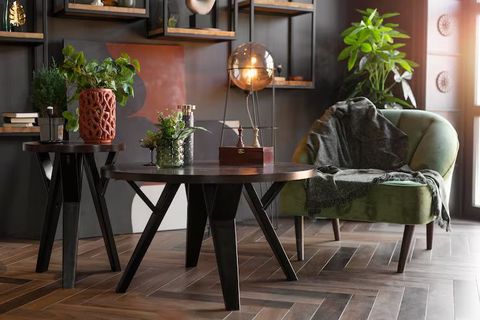
Biophilic workspace furniture refers to office furniture designed to connect people with nature within indoor environments. The idea comes from the broader concept of biophilic design, which is based on the understanding that humans have an innate connection to natural elements such as plants, light, water, and organic forms. In modern workplaces, this concept is applied through materials, shapes, textures, and layouts that reflect natural environments.
The rise of biophilic workspace furniture is closely linked to changes in how people work. As offices have become more digital and urbanized, many employees spend long hours indoors with limited exposure to nature. This has led designers and researchers to explore ways of bringing natural elements into workspaces to improve comfort and well-being.
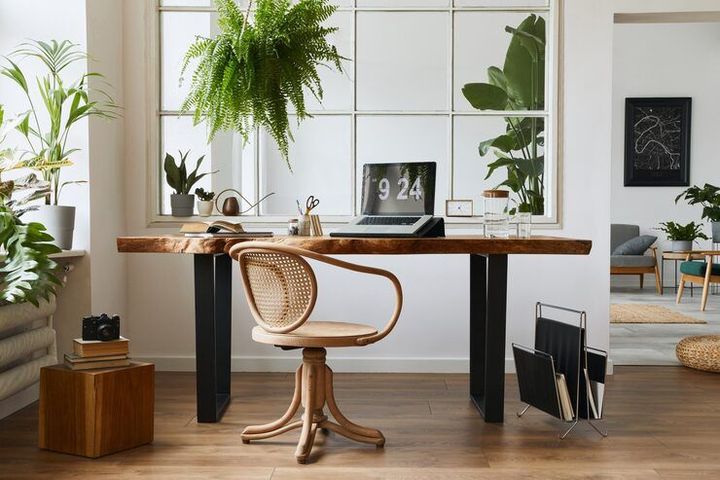
At its core, this approach is not only about adding plants or decorative elements. It involves thoughtful design choices such as using natural materials like wood and stone, incorporating soft and organic shapes, and arranging furniture to maximize natural light and airflow. These features aim to create a balanced environment that feels less artificial and more aligned with natural surroundings.
Understanding the introduction and core concepts of biophilic workspace furniture helps readers see how design can influence everyday work experiences. It also highlights how furniture plays a role beyond function, shaping how people feel and interact in a workspace.
Importance
The importance of biophilic workspace furniture has grown as workplaces face new challenges related to employee well-being, productivity, and comfort. Many individuals work in environments that rely heavily on screens, artificial lighting, and enclosed spaces. Over time, such conditions can contribute to fatigue and reduced engagement.
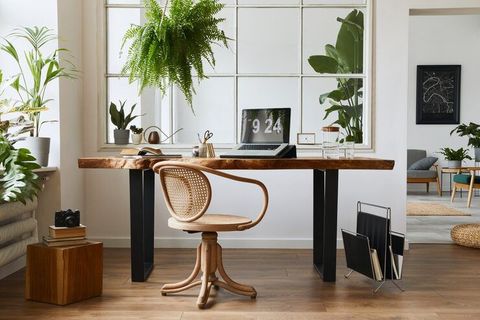
Biophilic design addresses these challenges by creating environments that feel more natural and calming. Furniture that integrates natural elements can support a more comfortable workspace. For example, desks made from natural materials or seating arrangements that mimic organic forms can help reduce visual stress.
This topic affects a wide range of people, including office workers, remote workers, designers, and facility planners. As flexible work arrangements become more common, individuals are also applying biophilic principles to home offices. This shows that the concept is not limited to large corporate environments.
Some key problems that biophilic workspace furniture helps address include:
- Limited exposure to nature: Indoor workspaces often lack greenery and natural light, which can affect mood and focus.
- Rigid and artificial environments: Traditional office furniture may feel uniform and disconnected from human needs.
- Lack of comfort: Poor design can lead to discomfort during long working hours.
A simple comparison helps illustrate the difference between conventional furniture and biophilic workspace furniture:
| Feature | Conventional Workspace Furniture | Biophilic Workspace Furniture |
|---|---|---|
| Materials | Synthetic, plastic, metal-heavy | Natural wood, bamboo, stone accents |
| Design | Straight lines, rigid forms | Curved shapes, organic patterns |
| Environment Integration | Minimal connection to surroundings | Integrated with plants, light, airflow |
| User Experience | Functional focus only | Focus on comfort and well-being |
This comparison shows how the design approach can influence both the physical and emotional aspects of a workspace.
Recent Updates
Between 2024 and 2026, interest in biophilic workspace furniture has continued to grow, influenced by hybrid work models and a greater focus on mental well-being. Organizations are rethinking office layouts to make them more adaptable and supportive of different work styles.
One noticeable trend is the integration of modular furniture with biophilic elements. Modular desks and seating systems are now designed with natural materials and flexible layouts, allowing spaces to be rearranged easily while maintaining a connection to nature.
Another development is the increased use of sustainable materials. Designers are exploring renewable resources such as bamboo, cork, and recycled wood. These materials align with environmental goals while also contributing to the natural look and feel of furniture.
Technology is also playing a role. Some modern designs incorporate lighting systems that mimic natural daylight cycles, helping to create a more balanced indoor environment. While these features are not strictly part of furniture, they often work alongside biophilic workspace furniture to enhance the overall effect.
In addition, there is a growing emphasis on small-scale solutions. Compact furniture designed for home offices now includes elements like plant holders, natural textures, and space-efficient layouts. This reflects the shift toward remote work and the need for comfortable home-based workspaces.
Laws or Policies
Biophilic workspace furniture is influenced by broader regulations related to workplace safety, environmental standards, and building design. While there are no specific laws that focus only on biophilic design, several policies indirectly support its principles.
Workplace safety regulations in many countries require employers to provide safe and comfortable environments. This includes proper lighting, ventilation, and ergonomic furniture. Biophilic workspace furniture often aligns with these requirements by promoting better air circulation, natural lighting, and ergonomic design.
Environmental policies also play a role. Governments encourage the use of sustainable materials and energy-efficient practices in building and interior design. Furniture made from renewable or responsibly sourced materials fits within these guidelines.
In some regions, green building certification programs such as LEED or similar frameworks include criteria related to indoor environmental quality. These programs recognize the value of natural elements, which supports the adoption of biophilic workspace furniture in offices and public buildings.
Additionally, urban planning policies that promote green spaces and sustainable architecture indirectly influence interior design trends. As buildings incorporate more natural features, furniture design often follows the same direction.
Tools and Resources
Several tools and resources can help individuals and organizations understand and apply biophilic workspace furniture concepts. These resources provide guidance on design, layout, and material selection.
Digital planning tools, for example, allow users to visualize workspace layouts before making changes. These tools often include features for arranging furniture, adjusting lighting, and simulating different design elements.
Design frameworks and guidelines are also widely available. These resources explain key principles of biophilic design, such as incorporating natural patterns, maximizing daylight, and creating visual connections to nature.
Some useful types of resources include:
- Workspace layout planners: Help arrange furniture and optimize space usage.
- Material selection guides: Provide information on natural and sustainable materials.
- Ergonomic assessment tools: Evaluate comfort and usability of furniture.
- Environmental design checklists: Outline steps for integrating natural elements into workspaces.
Educational platforms and online courses also cover topics related to biophilic design. These resources help beginners understand how to apply the concepts in practical ways, whether in a home office or a larger workspace.
FAQs
What is biophilic workspace furniture?
Biophilic workspace furniture refers to furniture designed to incorporate natural elements into indoor workspaces. It uses materials, shapes, and layouts that reflect nature to create a more comfortable and balanced environment.
How does biophilic workspace furniture improve work environments?
It helps create a more natural and visually comfortable setting. Features such as natural materials, organic shapes, and integration with plants or light can support a more pleasant workspace experience.
Is biophilic workspace furniture suitable for home offices?
Yes, many designs are adaptable to smaller spaces. Compact desks, chairs, and storage units can include natural textures and elements, making them suitable for home-based work environments.
What are the core concepts of biophilic workspace furniture?
The core concepts include the use of natural materials, incorporation of organic shapes, connection to natural light, and integration with elements like plants or water features. These concepts aim to create a closer connection to nature indoors.
Are there guidelines for using biophilic workspace furniture?
General design frameworks and environmental guidelines provide direction. These include principles related to lighting, airflow, material selection, and ergonomic design, which can be applied in different types of workspaces.
Conclusion
Biophilic workspace furniture is an approach that combines functionality with elements inspired by nature. It reflects a growing awareness of how environments affect comfort and well-being. By incorporating natural materials, organic forms, and thoughtful layouts, this design concept offers a way to create more balanced indoor spaces. As work environments continue to evolve, the relevance of biophilic design remains closely tied to both environmental and human factors.