Discover VLCC’s Wellness and Aesthetic Services: An Overview of Facials, Laser Care, and Body Contouring
VLCC is a wellness and beauty company that provides facials, aesthetic dermatology, laser-based treatments, weight-management programs, and body-contouring options through its clinics.
This overview explains the main categories of care, what people commonly seek from them, and the questions worth asking before beginning any treatment.
Context
VLCC, also known as VLCC Wellness, is an Indian wellness and beauty company with clinics across India and several other countries. Its offerings combine beauty treatments, preventive wellness programs, weight management, aesthetic dermatology, and non-surgical body-focused procedures.
The company’s clinics generally provide care in several broad areas: skin, hair, laser treatments, body contouring, and wellness. Common facial and skin treatments include clean-ups, facials, skin-lifting treatments, and advanced skin therapies. VLCC also describes aesthetic dermatology programs for concerns such as acne, pigmentation, dark spots, scars, cellulite marks, and visible signs of aging.
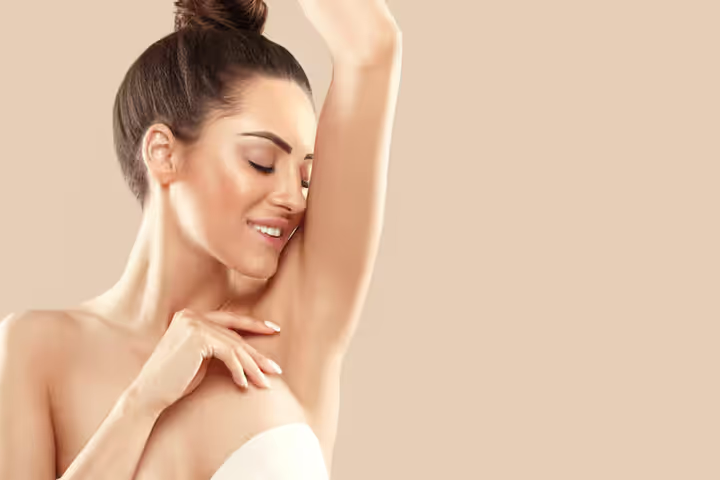
Laser care is another major category. VLCC clinics offer laser-based hair-reduction treatments and may use laser technology for selected skin concerns. These treatments use concentrated light energy, and their suitability depends on a person’s skin tone, hair color, medical history, and the specific area being treated.
Body contouring refers to non-surgical procedures intended to change the appearance of localized areas of the body. VLCC lists options such as cryolipolysis, commonly known as CoolSculpting, lipolaser body slimming, and V-Fit belly fat-loss treatments. These procedures are different from weight-loss programs and are not a substitute for medical assessment, nutrition, exercise, or treatment of underlying health conditions.
The purpose of these offerings is to help people address appearance-related concerns and wellness goals in a structured setting. However, results vary from person to person, and no aesthetic treatment can promise the same outcome for everyone.
Importance
Wellness and aesthetic care matter because skin, body image, and personal confidence can affect everyday wellbeing. People may seek treatments for practical reasons, such as managing acne or unwanted hair, or for personal reasons, such as preparing for a wedding, improving skin texture, or addressing changes associated with aging.
Facials and skin treatments can support routine skin care. A facial may involve cleansing, exfoliation, extraction when appropriate, hydration, and protection. More advanced treatments may target concerns such as dullness, uneven texture, pigmentation, or early signs of aging. The right approach depends on skin type, sensitivity, current products, and any medical skin conditions.
Laser hair reduction can be useful for people who want a longer-lasting alternative to frequent shaving, waxing, or threading. It works by targeting pigment in the hair follicle with light energy. It usually requires multiple sessions because hair grows in cycles, and results depend on factors such as hormonal patterns, hair color, skin tone, and treatment area.
Body contouring can appeal to people who have localized areas of fat that have not changed much despite healthy habits. These treatments are generally intended for people close to a stable weight rather than as a method for treating obesity. A qualified professional should assess whether a person is a suitable candidate and explain the likely outcomes, limitations, and possible side effects.
It is also important to distinguish cosmetic goals from medical needs. Persistent acne, sudden hair loss, severe pigmentation, unexplained weight changes, or painful skin conditions may require evaluation by a dermatologist or another qualified healthcare professional. Aesthetic treatments should not delay appropriate medical care.
Recent Updates
From 2024 through 2026, wellness and aesthetic clinics have continued to emphasize non-invasive procedures, personalized assessments, and technology-based treatments. VLCC has expanded its presence across Indian cities and describes a network of more than 250 clinics in more than 100 cities.
A notable trend is the increased interest in body-contouring procedures that do not involve surgery. Cryolipolysis, for example, uses controlled cooling to target fat cells in selected areas. VLCC also lists lipolaser and V-Fit belly fat-loss treatments among its body-focused options. These treatments may be appropriate for some people, but they are not suitable for everyone and should not be viewed as a replacement for healthy lifestyle habits.
Skin treatments have also become more personalized. Clinics increasingly use consultations to assess skin type, concerns, sensitivity, and prior treatments before recommending a plan. This approach can help reduce the risk of using treatments that are too aggressive for a person’s skin.
Laser technology continues to be used for hair reduction and selected dermatological concerns. Safety practices, skin-type assessment, patch testing where appropriate, and clear aftercare instructions remain important. People with darker skin tones, recent tanning, certain medications, or a history of keloids may need additional evaluation before laser treatment.
Another trend is the integration of wellness with appearance-focused care. Weight management, nutrition guidance, stress management, and physical activity may be discussed alongside aesthetic treatments. This reflects a broader understanding that appearance-related concerns often have multiple contributing factors, including sleep, hormones, diet, activity levels, and underlying medical conditions.
Laws or Policies
In India, aesthetic and wellness treatments are shaped by medical regulations, consumer-protection rules, advertising standards, and clinic-level safety practices. The exact requirements depend on whether a treatment is considered cosmetic, medical, or both.
Medical oversight
Treatments involving lasers, prescription medicines, injections, or procedures that affect the skin should be provided or supervised by appropriately qualified professionals. A person considering laser hair reduction, aesthetic dermatology, or body contouring should ask who will perform the procedure, what qualifications they hold, and what supervision is available.
A consultation should include a review of medical history, current medicines, allergies, skin conditions, and prior cosmetic procedures. This is particularly important for people who are pregnant, breastfeeding, taking light-sensitizing medicines, or managing conditions that affect healing or pigmentation.
Informed consent and realistic expectations
Before a treatment begins, a clinic should explain the procedure, expected number of sessions, likely results, recovery time, possible side effects, and aftercare requirements. Written information and clear communication can help people make informed decisions.
No aesthetic treatment can guarantee a specific result. Outcomes depend on individual biology, the concern being addressed, adherence to aftercare, and the number of sessions completed. A reputable provider should be willing to explain limitations as well as potential benefits.
Advertising and consumer protection
Beauty and wellness providers in India must avoid misleading advertising. Claims about permanent results, painless procedures, or dramatic changes should be reviewed carefully. Consumers can ask for evidence, ask about typical outcomes, and request a written treatment plan before committing to a package.
India’s Consumer Protection Act provides remedies for unfair trade practices, misleading advertisements, and deficiency in goods or services. Consumers should retain receipts, treatment records, consent forms, and written communication in case a dispute arises.
Tools and Resources
Several resources can help people make informed decisions about facials, laser care, and body contouring.
| Resource | How it helps |
|---|---|
| Initial consultation | Assessing skin type, medical history, treatment goals, and suitability for a procedure |
| Patch testing | Checking how skin responds to a product or treatment before a fuller session |
| Before-and-after photographs | Creating a personal record that can help track changes over time |
| Written treatment plans | Clarifying the number of sessions, expected timeline, aftercare, and total charges |
| Dermatologist consultation | Providing medical assessment for acne, pigmentation, hair loss, scarring, or persistent skin conditions |
| Registered dietitian or physician | Supporting safe weight-management planning and identifying underlying health factors |
| Consumer-protection resources | Helping consumers understand their rights if a provider makes misleading claims or fails to deliver agreed care |
A practical way to prepare for a consultation is to write down concerns, current skincare products, medicines, allergies, and prior treatments. Bringing photographs taken in consistent lighting can also help a professional assess changes over time.
People considering body contouring should ask whether the treatment is appropriate for their body composition, what areas can be treated, how many sessions may be needed, and what results are realistic. They should also ask about side effects such as temporary redness, swelling, bruising, numbness, or discomfort.
FAQs
What facial treatments does VLCC provide?
VLCC clinics offer facials, clean-ups, massages, threading, and selected advanced skin therapies. The appropriate option depends on skin type, sensitivity, and the concern being addressed, such as dullness, dryness, congestion, or uneven texture.
Is laser hair reduction permanent?
Laser hair reduction can reduce hair growth over time, but results vary and maintenance sessions may be needed. Hair grows in cycles, so multiple sessions are commonly required. A qualified professional should assess skin tone, hair color, medical history, and medication use before treatment.
What is body contouring?
Body contouring refers to non-surgical procedures intended to alter the appearance of localized fat deposits. VLCC lists cryolipolysis, lipolaser body slimming, and V-Fit belly fat-loss treatments among its options. These treatments are not weight-loss procedures and may not be appropriate for people with certain medical conditions.
Are aesthetic treatments suitable for sensitive skin?
Some may be, but sensitive skin requires extra caution. A person should disclose sensitivity, allergies, rosacea, eczema, or a history of irritation before treatment. A patch test, gentler treatment plan, or referral to a dermatologist may be appropriate.
What should I ask before booking a treatment?
Ask who will perform the treatment, what qualifications they have, what results are realistic, how many sessions may be needed, what side effects are possible, what aftercare is required, and what the total charge will be. Requesting the plan in writing can help avoid misunderstandings.
Conclusion
VLCC’s wellness and aesthetic offerings bring together facials, aesthetic dermatology, laser care, weight-management support, and non-surgical body-contouring options. These treatments can address appearance-related concerns, but their suitability and results vary from person to person.
The most important step is an informed consultation. People should understand the procedure, potential risks, realistic outcomes, aftercare needs, and total charges before beginning treatment. Medical concerns such as persistent acne, sudden hair loss, or unexplained weight changes should be assessed by a qualified healthcare professional.
A careful, individualized approach can help people make choices that support both their appearance goals and their overall wellbeing. Clear communication, realistic expectations, and appropriate professional oversight remain essential throughout any wellness or aesthetic journey.