E-Waste Recycling Machines: Explore Shredding, Sorting, Metal Recovery and Processing Technologies
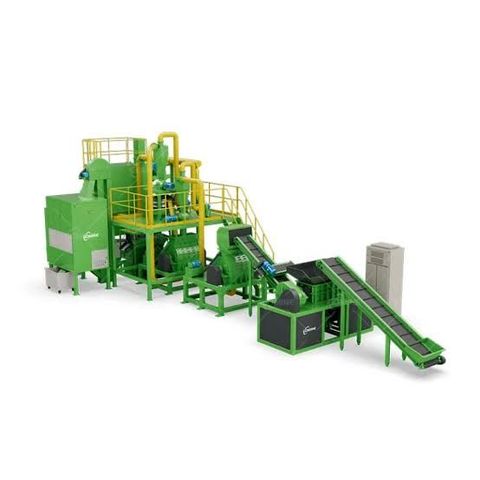
E-waste recycling machines are industrial systems used to process discarded electrical and electronic equipment so that different materials can be separated and directed toward appropriate recovery or treatment processes.
E-waste can include computers, mobile devices, circuit boards, cables, appliances, batteries, displays, and other electronic products that are no longer wanted or usable.
Electronic equipment contains a mixture of materials. Metals such as copper, aluminum, iron, and certain precious metals may be present alongside plastics, glass, ceramics, and other components. Some electronic products can also contain substances that require controlled handling, which makes proper processing important.
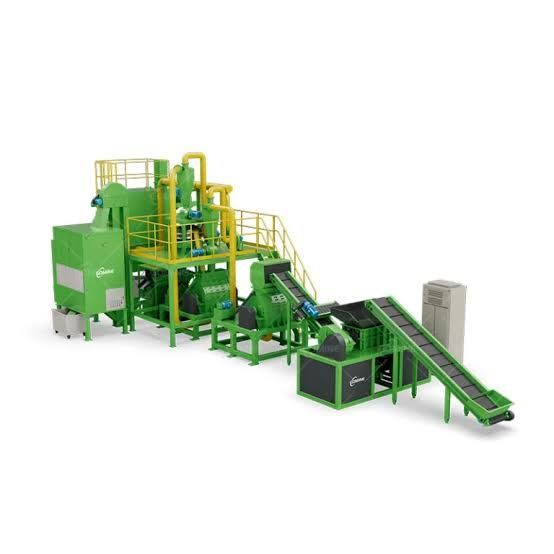
An e-waste recycling line usually consists of several stages rather than one machine. The exact arrangement depends on the material being processed, its size, composition, contamination level, and the materials that need to be separated.
How an e-waste recycling line works
A typical process may include:
- Inspection and sorting: Incoming electronic material is examined and separated according to equipment type and composition.
- Dismantling: Selected components may be removed manually or mechanically.
- Size reduction: Shredders, crushers, or granulators reduce larger items into smaller pieces.
- Screening: Screens separate material according to particle size.
- Magnetic separation: Magnets remove ferrous metals from mixed material.
- Eddy-current separation: Eddy-current systems can separate certain non-ferrous metals from other materials.
- Density separation: Air or gravity-based systems can separate materials with different physical characteristics.
- Further recovery: Additional processes may be used to isolate specific metals, plastics, or other fractions.
The sequence is not identical for every facility. Circuit boards, cables, appliances, batteries, and mixed electronic scrap can require different processing approaches.
Importance
Why e-waste recycling matters
Electronic equipment is used extensively in homes, businesses, schools, hospitals, and industrial facilities. As equipment is replaced or becomes unusable, the resulting waste stream can contain both recoverable materials and components that require controlled treatment.
Recycling systems can help separate these materials so that appropriate fractions can be directed toward further processing. This reduces the need to treat every item as a single mixed waste stream.
E-waste processing also creates a way to recover materials from discarded products. Copper from cables, aluminum from housings, iron from structural components, and selected materials from circuit boards can enter additional processing streams.
Challenges in electronic waste processing
E-waste is more complicated than many conventional recyclable materials because products contain numerous components assembled together. A single device may include metals, plastics, glass, circuit boards, batteries, adhesives, and other materials.
Important challenges include:
- Identifying different electronic products
- Removing hazardous or sensitive components
- Preventing battery-related incidents
- Controlling dust during shredding
- Separating mixed materials
- Maintaining consistent particle sizes
- Managing contamination
- Protecting workers from mechanical and electrical hazards
The design of an e-waste recycling machine therefore needs to match the material stream rather than relying on a single general-purpose process.
Common machines and their functions
| Machine or system | Main function | Typical material |
|---|---|---|
| Primary shredder | Initial size reduction | Mixed electronic equipment |
| Granulator | Smaller particle reduction | Cables and electronic fractions |
| Magnetic separator | Ferrous metal separation | Iron and steel |
| Eddy-current separator | Non-ferrous metal separation | Aluminum and other conductive metals |
| Vibratory screen | Size classification | Mixed processed material |
| Air separator | Density-based separation | Plastics and lighter fractions |
| Cable granulator | Cable processing | Copper and aluminum cables |
| Dust collection system | Airborne-particle control | Shredding and screening areas |
Recent Updates
Automation and sorting technology
From 2024 through 2026, e-waste processing has continued to incorporate greater automation and digital monitoring. Optical systems, sensors, automated sorting equipment, and programmable controls can assist with identifying or separating particular material categories.
Automated sorting does not eliminate the need for material inspection. Mixed electronic waste can vary significantly, and certain components may require manual identification or controlled removal before mechanical processing.
Improved material separation
Modern recycling lines increasingly combine multiple separation methods. A single processing stage may not be sufficient to separate metals, plastics, glass, and other fractions from complex electronic waste.
Equipment can therefore be arranged in stages, with screening and separation occurring after size reduction. The configuration can be adjusted according to the characteristics of the incoming material.
Battery awareness and safety
Battery-containing electronic products have received increased attention in recycling operations because damaged or improperly handled batteries can create fire and other safety risks. Processing facilities may therefore include procedures for identifying and removing batteries before shredding.
Lithium-ion batteries are particularly relevant because they can contain stored electrical energy even after a device is no longer functioning. Recycling facilities need appropriate procedures for collection, storage, transportation, and processing.
Data and process monitoring
Digital monitoring can track variables such as machine load, motor condition, throughput, operating hours, and material flow. This information can help operators identify changes in equipment behavior and maintain records of processing activities.
Laws or Policies
E-waste management is shaped by environmental, occupational safety, transportation, and waste-management requirements. The exact rules depend on the country, state or region, waste category, and type of recycling facility.
E-waste regulation in India
India regulates electronic waste through its E-Waste (Management) Rules and related regulatory framework. The rules establish responsibilities for different participants in the electronics lifecycle, including producers, manufacturers, refurbishers, recyclers, and other relevant entities.
India's current framework includes an extended producer responsibility approach, under which specified producers have responsibilities connected with the management of electronic waste. Recycling facilities may also need registration and compliance with requirements administered through the Central Pollution Control Board and relevant state authorities.
Handling and environmental controls
E-waste facilities may need controls for storage, dismantling, processing, emissions, wastewater, and residues. Mechanical processing can generate dust and noise, while certain components may require separate treatment.
Facilities also need appropriate worker-protection procedures. Depending on the operation, these can include machine guarding, personal protective equipment, electrical safety procedures, fire protection, ventilation, and controlled handling of sensitive components.
Because regulatory requirements can change and vary by facility, operators need to verify the rules applicable to their specific location and waste categories.
Tools and Resources
Shredders and granulators
Shredders are generally used for initial size reduction, while granulators can produce smaller and more uniform particles. Selection depends on material size, composition, desired output, and the downstream separation process.
Separation equipment
Different physical properties allow several separation technologies to work together. Magnetic separation is commonly associated with ferrous metals, while eddy-current systems can separate certain non-ferrous metals.
Air classification uses differences in material density and aerodynamic behavior. Screening systems divide material into particle-size ranges, which can improve the performance of subsequent separation stages.
Dust and environmental monitoring
Mechanical processing can create airborne particles. Dust extraction and filtration systems can therefore be integrated with shredders, granulators, and transfer points.
Environmental monitoring equipment can measure relevant workplace or process conditions. The appropriate equipment depends on the materials handled and the facility's regulatory requirements.
Process planning resources
Before selecting or configuring equipment, operators generally examine:
- Type of electronic waste
- Expected material composition
- Input particle size
- Required throughput
- Target material fractions
- Battery content
- Dust characteristics
- Available floor space
- Energy requirements
- Applicable environmental requirements
Laboratory testing or small-scale material trials can also help determine how a particular waste stream behaves during shredding and separation.
FAQs
What are e-waste recycling machines used for?
E-waste recycling machines process discarded electronic equipment and separate it into material fractions. Depending on the system, these fractions can include ferrous metals, non-ferrous metals, plastics, glass, and other materials.
How does an e-waste recycling machine work?
A typical recycling line uses several stages, including sorting, dismantling, shredding, screening, magnetic separation, and other physical separation methods. The exact process depends on the type and composition of the electronic waste.
Which machines are used for e-waste recycling?
Common equipment includes shredders, granulators, magnetic separators, eddy-current separators, screens, air separators, cable granulators, and dust collection systems. Some facilities also use optical or sensor-based sorting equipment.
Why is battery removal important before e-waste shredding?
Batteries can retain stored electrical energy and may present fire or other hazards if damaged during mechanical processing. Facilities therefore commonly use procedures to identify and isolate batteries before appropriate processing.
How is e-waste regulated in India?
India regulates electronic waste through its E-Waste (Management) Rules and related requirements. The framework includes responsibilities for producers and other participants, extended producer responsibility provisions, and requirements applicable to registered recycling activities.
Conclusion
E-waste recycling machines form part of a larger process designed to separate useful materials from discarded electronic equipment while managing components that require controlled handling. Shredding, screening, magnetic separation, eddy-current separation, and other technologies can be combined according to the characteristics of the waste stream. Developments from 2024 to 2026 have included increased automation, digital monitoring, improved sorting, and greater attention to battery-related safety. Effective e-waste processing also depends on appropriate worker protection and compliance with applicable environmental and waste-management requirements.