Guide to Understanding Key Oil Refining Equipment and Processes
Oil refining is the industrial process that converts crude oil into usable petroleum-based products such as fuels, lubricants, feedstock for petrochemical manufacturing, and industrial materials. The field exists because crude oil, in its natural form, contains a mix of hydrocarbons, impurities, and compounds that cannot be directly used in transport, manufacturing, or energy applications. Refining breaks these components into more useful fractions through controlled thermal, mechanical, chemical, and catalytic processes.
Oil refining is the process of converting crude oil into useful products such as fuels, lubricants, and petrochemical feedstocks. Crude oil, extracted from underground reservoirs, is a complex mixture of hydrocarbons that cannot be used directly in most applications. To make it practical for everyday use, it must pass through a series of refining stages using specialized oil refining equipment and carefully controlled processes.
The origin of modern oil refining dates back to the early industrial period, when the need for lighting fuels led to basic distillation techniques. Over time, as transportation and industrial demand grew, refining methods evolved into complex systems capable of producing a wide range of products. Today, oil refining processes involve advanced technologies designed to improve efficiency, safety, and environmental performance.
Understanding key oil refining equipment and processes helps explain how raw crude oil becomes products that support transportation, manufacturing, and energy systems worldwide.
Importance
Oil refining plays a significant role in daily life, even though it often operates behind the scenes. The fuels used in vehicles, the materials in plastics, and many industrial products are linked to refined petroleum. Without effective refining systems, crude oil would remain largely unusable.
This topic matters because refining directly impacts energy availability, product quality, and environmental outcomes. For example, efficient oil refining processes help reduce emissions by producing cleaner fuels. At the same time, improved equipment design can lower waste and enhance operational safety.
Key challenges addressed by refining include:
- Product separation: turning crude oil into usable fractions like gasoline, diesel, and jet fuel
- Quality improvement: removing impurities such as sulfur to meet environmental standards
- Resource efficiency: maximizing output from each barrel of crude oil
- Environmental control: minimizing emissions and waste during processing
For everyday consumers, refining affects fuel reliability, product availability, and environmental conditions.
Recent Updates
In recent years, oil refining equipment and processes have seen steady advancements driven by environmental concerns and efficiency goals. Refining facilities are increasingly adopting digital monitoring systems that use sensors and data analytics to optimize operations in real time. These systems help detect inefficiencies and maintain stable processing conditions.
Another notable trend is the integration of cleaner refining technologies. Processes such as hydroprocessing have been refined to reduce sulfur content and meet stricter emission norms. There is also a growing focus on energy efficiency, with heat recovery systems being used to reduce energy consumption within refineries.
Additionally, refineries are adapting to changing demand patterns. With the rise of alternative energy and electric mobility, some facilities are adjusting output ratios, focusing more on petrochemical feedstocks rather than traditional fuels. This shift reflects broader changes in global energy consumption.
Laws or Policies
Oil refining is governed by various regulations aimed at ensuring safety, environmental protection, and product quality. In countries like India, regulatory bodies oversee refinery operations to ensure compliance with national standards.
Key policy areas include:
- Environmental regulations: rules on emissions, waste disposal, and water usage set by authorities such as pollution control boards
- Fuel quality standards: specifications that define acceptable sulfur levels and performance characteristics for fuels
- Workplace safety norms: guidelines that ensure safe handling of equipment and hazardous materials
- Energy efficiency guidelines: initiatives encouraging reduced energy consumption in industrial operations
These policies shape how oil refining equipment is designed and operated. Compliance is essential for maintaining safe and sustainable refining practices.
Tools and Resources
Understanding oil refining processes can be supported by various educational and analytical resources. These tools are often used by students, researchers, and industry professionals.
Common tools and resources include:
- Process simulation software: helps model refining operations and understand how different units interact
- Engineering textbooks and online courses: provide foundational knowledge about refining principles
- Industry reports and publications: offer insights into trends, technologies, and regulatory developments
- Refinery flow diagrams: visual representations that explain how oil refining equipment is connected and operated
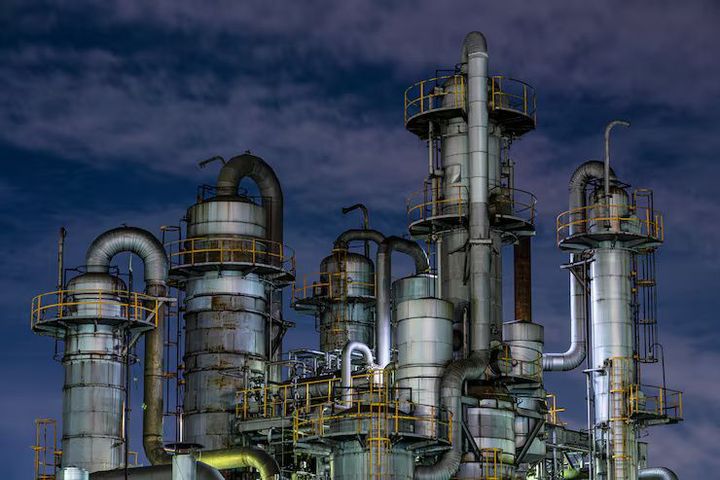
Below is a simplified table showing common oil refining equipment and their primary functions:
| Equipment Name | Function Description |
|---|---|
| Distillation Column | Separates crude oil into fractions based on boiling points |
| Cracking Unit | Breaks large hydrocarbons into smaller, useful molecules |
| Hydrotreating Unit | Removes impurities such as sulfur and nitrogen |
| Reforming Unit | Improves fuel quality and increases octane levels |
| Heat Exchanger | Transfers heat between fluids to improve efficiency |
These components work together to transform crude oil into usable products through coordinated oil refining processes.
FAQs
What is oil refining equipment used for?
Oil refining equipment is used to process crude oil into usable products such as fuels and petrochemicals. Each piece of equipment performs a specific function, such as separating, converting, or purifying hydrocarbons.
What are the main oil refining processes?
The main oil refining processes include distillation, cracking, reforming, and hydrotreating. These processes work together to separate crude oil and improve the quality of its components.
How does a distillation column work in oil refining?
A distillation column heats crude oil and separates it into different fractions based on boiling points. Lighter components rise to the top, while heavier ones remain at lower levels.
Why are oil refining processes important for fuel quality?
Oil refining processes remove impurities and adjust chemical structures to meet fuel standards. This ensures that fuels burn more cleanly and perform efficiently in engines.
What role does hydrotreating play in oil refining equipment?
Hydrotreating is used to remove sulfur and other impurities from petroleum products. This process helps meet environmental regulations and improves fuel performance.
Conclusion
Oil refining is a complex but essential process that transforms crude oil into valuable products used in everyday life. Through a combination of specialized oil refining equipment and carefully controlled processes, refineries can produce fuels and materials efficiently. Advances in technology continue to improve refining performance and reduce environmental impact. Understanding these systems provides insight into how energy and industrial products are created and managed.