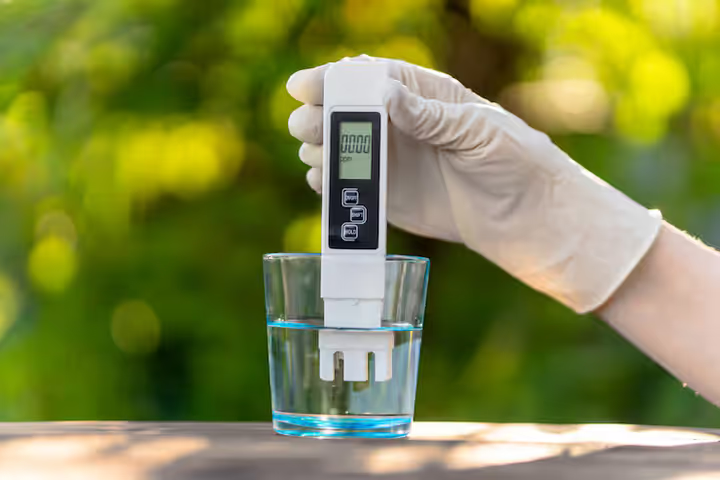
OEM pH Analyzers: Pharmaceutical Manufacturing & Process Quality Tips
In the pharmaceutical industry, precision and control are of utmost importance during manufacturing processes. The accurate measurement of pH levels is crucial in ensuring product safety, efficacy, and consistency. OEM (Original Equipment Manufacturer) pH analyzers play a vital role in monitoring and maintaining these pH levels during production.
This article delves into the function and significance of OEM pH analyzers within controlled pharmaceutical production environments.
OEM pH analyzers are specialized instruments designed to measure the acidity or alkalinity of a solution. These devices are integral in pharmaceutical manufacturing, where maintaining specific pH levels is imperative to product quality. pH measurement is a fundamental aspect of chemistry that involves determining the concentration of hydrogen ions in a solution. A pH value ranges from 0 to 14, with 7 being neutral. Values below 7 indicate acidity, while those above 7 signify alkalinity. In pharmaceutical applications, a slight variance in pH can affect the drug’s stability, solubility, and bioavailability, making precise measurement and control essential.
One of the prominent features of OEM pH analyzers is their precision and accuracy. They are engineered to deliver high-resolution data that is critical for the delicate processes in pharmaceutical production. Innovations in sensor technology have allowed these analyzers to provide real-time data, enabling swift adjustments to maintain the desired pH range. This capability is crucial during the formulation and development phases, where maintaining optimal conditions can influence the drug’s effectiveness and safety.
Another significant aspect of OEM pH analyzers is their integration with automated systems. Modern pharmaceutical manufacturing increasingly relies on automation to ensure consistency, efficiency, and safety. OEM pH analyzers can be seamlessly integrated with automated production lines, contributing to process control and monitoring. This integration allows for continuous, unattended operation and reduces human intervention, thus minimizing the potential for errors.
Moreover, these analyzers offer robust data management capabilities. Pharmaceutical production requires extensive documentation and regulatory compliance. OEM pH analyzers are equipped with features that facilitate data collection, storage, and analysis. This ensures that all measured values are logged and can be easily retrieved for auditing and verification purposes. The ability to trace and document pH measurements strengthens the integrity of the manufacturing process and supports compliance with industry standards and regulations.
Calibration and maintenance are essential components of using OEM pH analyzers effectively. Regular calibration ensures that the device’s measurements remain accurate and reliable. Calibration involves adjusting the analyzer to match known pH values, thus aligning the instrument’s reading with standard references. This process can be automated or manual, depending on the device’s specifications. Additionally, maintenance routines such as cleaning and replacing sensors extend the life of the analyzer and ensure consistent performance.
In the context of pharmaceutical production, OEM pH analyzers are employed in various stages, including the synthesis of active pharmaceutical ingredients (APIs), formulation of drug products, and quality control testing. During API synthesis, controlling pH is paramount to obtaining the desired chemical reaction and avoiding unwanted byproducts. In the formulation stage, maintaining the correct pH is crucial for ensuring the stability and solubility of the drug product, thereby enhancing its therapeutic efficacy.
Furthermore, OEM pH analyzers are instrumental in the quality control testing of pharmaceutical products. They are used to verify that the pH levels of the final product meet the specifications outlined in the pharmacopeia and regulatory requirements. This verification is a critical step in ensuring that the product is safe for consumption and performs as intended.
The selection of an appropriate OEM pH analyzer involves considering several factors, such as measurement range, resolution, compatibility with existing systems, and environmental operating conditions. Manufacturers offer a variety of models tailored to specific needs, from benchtop analyzers for laboratory use to robust inline sensors for continuous monitoring in production environments. Each type of analyzer is designed to meet the unique demands of different stages of the pharmaceutical manufacturing process.
As technology advances, OEM pH analyzers continue to evolve, offering enhanced features such as wireless connectivity, advanced data analytics, and improved sensor technologies. These advancements contribute to increased efficiency, better process control, and higher quality in pharmaceutical manufacturing. By integrating cutting-edge technologies, manufacturers are able to ensure that their pH monitoring solutions remain at the forefront of industry standards.
In conclusion, OEM pH analyzers are indispensable tools in the pharmaceutical manufacturing industry. They provide essential data that helps maintain precise pH levels required for producing safe and effective pharmaceutical products. From ensuring compliance with regulatory standards to enhancing product quality, these analyzers support various aspects of the pharmaceutical production process. Understanding their function and capabilities is crucial for professionals involved in pharmaceutical manufacturing, as it allows them to leverage these powerful tools for optimal production outcomes. As the industry continues to advance, OEM pH analyzers will remain a cornerstone technology in achieving controlled and high-quality pharmaceutical production.