Shirodhara Therapy Explained: Basics, Process, and Ayurvedic Healing Insights
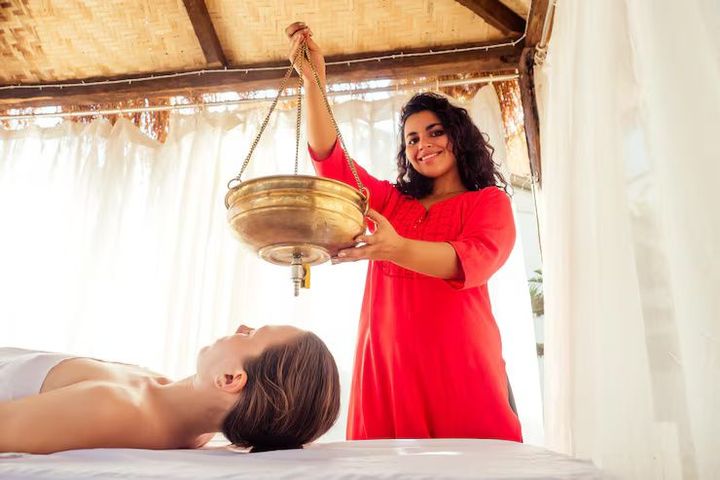
Shirodhara therapy is a traditional Ayurvedic practice that involves the gentle pouring of a continuous stream of warm liquid, usually oil, over the forehead. The word “Shirodhara” comes from Sanskrit, where “shiro” means head and “dhara” means flow. This method has been part of Ayurvedic healing practices for centuries and is often associated with calming the mind and supporting overall well-being.
In Ayurveda, health is understood as a balance between body, mind, and environment. Shirodhara therapy is designed to support this balance by influencing the nervous system through rhythmic stimulation. It is commonly used alongside other Ayurvedic treatments as part of a broader wellness routine.
The origins of this therapy are rooted in classical Ayurvedic texts, where it is described as a method to help manage stress, improve mental clarity, and promote relaxation. Over time, it has gained recognition beyond its traditional setting and is now practiced in various wellness centers around the world.
Importance
In modern life, many people experience stress, sleep disturbances, and mental fatigue due to demanding schedules and digital exposure. Shirodhara therapy is often discussed as a complementary approach that may help address these concerns in a non-invasive way.
The importance of this therapy lies in its focus on relaxation and mental balance. By targeting the forehead area, which is associated with the “third eye” in Ayurveda, the therapy aims to create a calming effect on the mind. This can be particularly relevant for individuals dealing with anxiety-like symptoms, difficulty concentrating, or irregular sleep patterns.
Several everyday challenges that this therapy may relate to include:
- Stress management: the steady flow of oil can create a soothing sensory experience
- Sleep support: some individuals report improved sleep patterns after sessions
- Mental clarity: the calming process may help reduce mental clutter
- Emotional balance: relaxation techniques may support emotional stability
While these outcomes are widely discussed, it is important to understand that experiences can vary from person to person. Shirodhara therapy is not a replacement for medical care but is often used as a supportive practice within Ayurvedic healing systems.
Recent Updates
Between 2024 and 2026, there has been a noticeable increase in global interest in traditional wellness practices, including Shirodhara therapy. This trend is partly driven by a growing awareness of holistic health approaches and the integration of traditional knowledge into modern wellness environments.
Digital platforms have contributed to this growth by making information about Ayurvedic healing more accessible. Online consultations, educational content, and virtual wellness programs now frequently include explanations of therapies like Shirodhara.
Another development is the standardization of training in Ayurveda across different countries. Educational institutions and wellness organizations are working toward clearer guidelines for practitioners, which helps maintain consistency in how Shirodhara therapy is performed.
In addition, there is ongoing academic interest in studying the effects of traditional therapies on stress and mental health. While research is still developing, it reflects a broader effort to understand how ancient practices can fit into contemporary lifestyles.
Laws or Policies
The practice of Shirodhara therapy is influenced by regulations related to traditional medicine and wellness services in different countries. In India, Ayurveda is recognized as a formal system of medicine and is regulated by government bodies such as the Ministry of AYUSH.
Practitioners are typically expected to have appropriate training and certification in Ayurvedic methods. Institutions offering Ayurvedic treatments may also need to follow specific guidelines related to hygiene, safety, and professional standards.
In other countries, the regulatory framework can vary. Some regions classify Ayurvedic practices under complementary or alternative medicine, which may involve different licensing requirements. It is common for wellness centers to follow general health and safety regulations even if specific Ayurvedic laws are not in place.
These policies aim to ensure that practices like Shirodhara therapy are conducted responsibly and with attention to public health considerations.
Tools and Resources
For individuals interested in learning more about Shirodhara therapy and Ayurvedic healing, several resources can provide useful information. These tools help improve understanding and support informed decision-making.
Commonly used resources include:
- Ayurvedic texts and publications: classical and modern books that explain principles and therapies
- Educational platforms: online courses that introduce Ayurveda and its techniques
- Wellness tracking apps: tools that help monitor sleep, stress levels, and daily routines
- Consultation platforms: digital systems that connect individuals with trained practitioners
The following table outlines typical components used during a Shirodhara therapy session:
| Component | Description |
|---|---|
| Liquid medium | Usually herbal oil, but sometimes milk, buttermilk, or decoctions |
| Dhara vessel | A container designed to allow a steady flow of liquid |
| Treatment table | A flat surface where the individual lies comfortably |
| Heating system | Maintains the liquid at a consistent, warm temperature |
| Collection system | Ensures the liquid is gathered and reused or disposed of properly |
These elements work together to create a controlled and consistent experience during the therapy process.
FAQs
What is Shirodhara therapy and how does it work?
Shirodhara therapy is an Ayurvedic practice where a steady stream of warm liquid is poured over the forehead. It is believed to create a calming effect by stimulating the nervous system and promoting relaxation.
Is Shirodhara therapy part of Ayurvedic healing?
Yes, Shirodhara therapy is a well-known method within Ayurvedic healing. It is often used alongside other treatments to support mental and physical balance.
What happens during the Shirodhara process?
During the Shirodhara process, a person lies on a table while a practitioner pours warm liquid over the forehead in a continuous stream. The session typically lasts for a set period and is designed to maintain a steady rhythm.
Can Shirodhara therapy help with sleep and stress?
Some individuals report improvements in relaxation and sleep after undergoing Shirodhara therapy. However, results can vary, and it should not be considered a medical treatment for sleep disorders or stress-related conditions.
Are there different types of liquids used in Shirodhara therapy?
Yes, different liquids such as herbal oils, milk, or buttermilk may be used depending on Ayurvedic principles and individual needs. The choice of liquid is typically based on specific conditions and traditional guidelines.
Conclusion
Shirodhara therapy is a traditional Ayurvedic practice that focuses on relaxation and mental balance through a steady flow of warm liquid over the forehead. It reflects the broader principles of Ayurvedic healing, which emphasize harmony between the body and mind. While widely discussed for its calming effects, experiences may differ among individuals. As interest in holistic wellness continues to grow, Shirodhara remains an example of how traditional practices are being explored in modern contexts.
Disclaimer: The information provided in this article is for informational purposes only. We do not make any claims or guarantees regarding the accuracy, reliability, or completeness of the information presented. The content is not intended as professional advice and should not be relied upon as such. Readers are encouraged to conduct their own research and consult with appropriate professionals before making any decisions based on the information provided in this article.

You May Also Like