Diamond Sapphire Jewellery: Explore Gemstone Designs, Jewellery Styles and Precious Stone Craftsmanship
Diamond and sapphire jewellery combines two of the most prized gemstones in fine jewellery. Diamonds bring exceptional brilliance, fire, and hardness, while sapphires contribute rich colour—most famously deep blue, but also pink, yellow, teal, green, and rare padparadscha hues.
Together they create striking contrasts and complementary beauty in rings, necklaces, earrings, bracelets, and complete suites. This overview explores popular designs, jewellery styles, craftsmanship techniques, material considerations, and care for diamond-sapphire pieces.
The Appeal of Diamond and Sapphire Combinations
Diamonds and sapphires have long been paired for both aesthetic and symbolic reasons. The hardness of both stones (diamond at 10 and sapphire at 9 on the Mohs scale) makes them durable for daily wear, especially in rings. Colour contrast—colourless or near-colourless diamonds against vivid sapphire—creates visual drama, while matching tones or subtle accents produce more refined effects.
Symbolic and Cultural Significance
Sapphires traditionally symbolize wisdom, loyalty, and nobility. Diamonds represent enduring strength and brilliance. Combined, they appear in engagement and wedding jewellery, anniversary gifts, and statement pieces that balance classic elegance with contemporary expression.
Colour and Optical Qualities
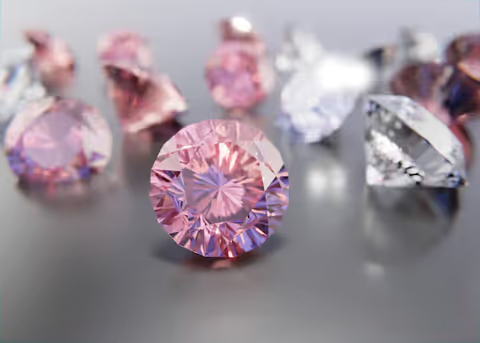
Blue sapphires remain the most iconic, but modern designs frequently feature fancy-colour sapphires. Diamonds may be colourless, near-colourless, or fancy-coloured to harmonize with the sapphire. Cut quality, clarity, and proportions of both stones strongly influence the finished appearance and light performance.
Popular Gemstone Designs and Settings
Designers use a range of compositions to showcase the two stones.
Centre-Stone Focus
A prominent sapphire is often framed or accented by diamonds. Common approaches include:
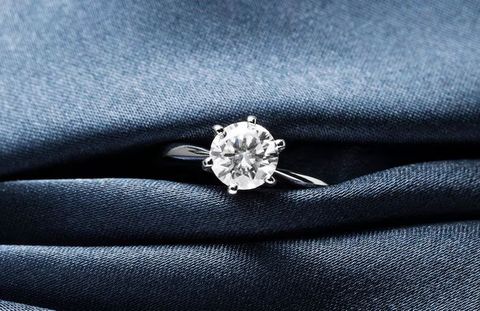
- Sapphire solitaire with diamond side stones or a diamond halo.
- Three-stone rings pairing a central sapphire with diamond flanks (or vice versa).
- Toi et moi (you and me) designs that set a diamond and sapphire side by side.
Accent and Pavé Work
Small diamonds (melee or pavé) are used to outline, halo, or cascade around a larger sapphire. This enhances sparkle without overpowering the coloured stone. Conversely, sapphire accents can add colour to diamond-centric pieces such as tennis bracelets or eternity bands.
Cluster, Floral, and Geometric Motifs
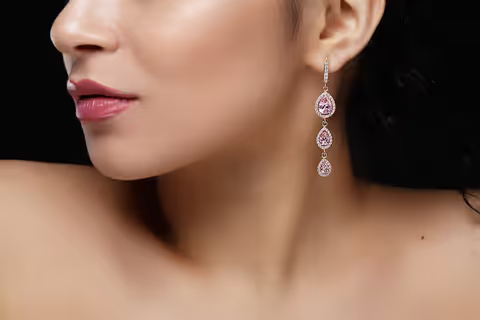
Clusters of mixed diamonds and sapphires create floral or starburst effects. Geometric arrangements, Art Deco-inspired patterns, and elongated shapes (oval, emerald, marquise, pear) are frequently used for a modern or vintage-modern look.
East-West and Low-Profile Settings
Horizontal (east-west) orientation of elongated stones and low-profile or bezel settings improve wearability and contemporary appeal while protecting the gemstones.
Jewellery Styles and Categories
Diamond-sapphire jewellery spans multiple categories and aesthetics.
Engagement and Bridal Jewellery
Sapphire engagement rings—especially blue ovals or cushions with diamond accents—remain highly popular, influenced by historic examples and ongoing interest in coloured centre stones. Matching wedding bands or bridal sets often incorporate complementary diamond or sapphire details.
Everyday and Stackable Pieces
Delicate diamond-sapphire studs, slim bands, pendants, and stackable rings allow for personal layering and daily wear. Bezel settings and lower profiles support comfort and durability.
Statement and Occasion Jewellery
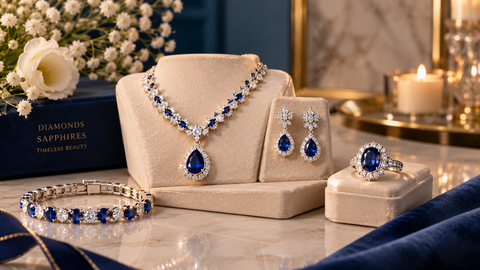
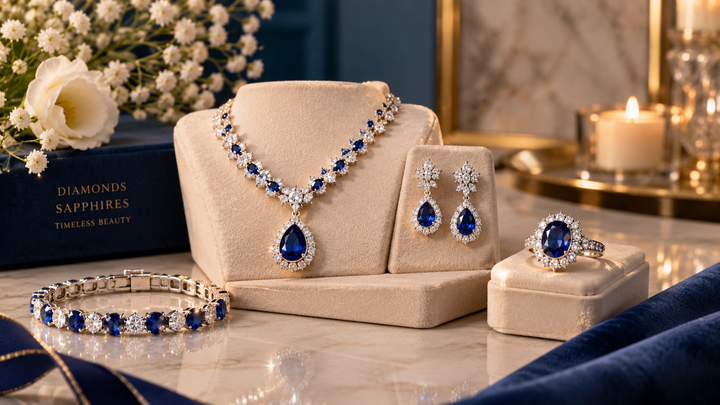
Larger centre stones, chandelier earrings, cocktail rings, and coordinated suites (necklace, earrings, bracelet) create bold looks for formal events. Mixed-metal or dual-tone settings (yellow gold with white accents, for example) add further versatility.
Vintage-Inspired and Contemporary Designs
Milgrain, filigree, and old-cut diamond influences evoke heritage craftsmanship. Clean lines, sculptural gold work, and architectural settings reflect modern minimalism. Both approaches frequently appear in current collections.
Precious Stone Craftsmanship
High-quality diamond-sapphire jewellery depends on skilled cutting, setting, and finishing.
Gemstone Selection and Cutting
Sapphires are valued for colour saturation, tone, and clarity; diamonds for cut, colour, clarity, and carat weight (the 4Cs). Precision cutting maximizes light return in diamonds and colour display in sapphires. Matching proportions and symmetry between stones is critical in multi-stone designs.
Setting Techniques
Common secure methods include prong, bezel, channel, and pavé settings. Bezels offer strong protection and a sleek modern look; prongs maximize light entry. Craftsmanship ensures stones sit securely, with even spacing and proper height for both beauty and wearability.
Metalwork and Finishing
Precious metals—platinum, white gold, yellow gold, or rose gold—are chosen for colour harmony, durability, and personal preference. Hand-finishing, polishing, and attention to detail in galleries, shoulders, and under-galleries distinguish fine pieces. Quality hallmarking and, where applicable, gemmological reports support transparency.
Custom and Bespoke Work
Many pieces are designed or adapted to individual preferences, allowing choice of sapphire colour and origin, diamond specifications, metal, and overall style. Experienced jewellers balance aesthetics, comfort, and structural integrity.
Quality, Sourcing, and Considerations
Buyers should evaluate:
- Independent grading reports for diamonds and, where available, for sapphires.
- Origin and treatment disclosure for sapphires (heat treatment is common and accepted; more extensive treatments should be disclosed).
- Craftsmanship quality—secure settings, even metalwork, and comfortable wear.
- Ethical and traceable sourcing practices for both gemstones and metals.
Lab-grown diamonds and, less commonly, synthetic sapphires offer alternative options with different price and preference profiles.
Care and Longevity
Both diamonds and sapphires are hard and durable, but jewellery still requires proper care. Clean with mild soap and warm water or professional ultrasonic/steam cleaning as appropriate for the setting. Store pieces separately to avoid scratching softer materials. Periodic professional inspection of settings and prongs helps maintain security. Avoid harsh chemicals and extreme impacts.
Diamond and sapphire jewellery unites brilliance with vivid colour across a wide range of designs—from classic engagement rings and elegant everyday pieces to bold statement suites. Thoughtful combination of cuts, settings, and metalwork, supported by skilled craftsmanship, produces pieces that are both beautiful and enduring. Whether favouring traditional blue sapphire with diamond accents or contemporary mixes of fancy-colour sapphires and elongated diamond shapes, the pairing continues to offer rich creative possibilities for personal expression and lasting value.