Solitaire Diamond Earrings: Types, Settings, Materials and Guide
Solitaire Diamond Earrings are earrings that feature one principal diamond in each earring, with the gemstone held by a metal setting.
The design generally focuses attention on the individual diamonds rather than surrounding stones. They are used for everyday jewelry, formal occasions, gifts, and personal collections, and can be made with different diamond shapes, metals, backing systems, and setting styles.
Context
What Are Solitaire Diamond Earrings?
Solitaire Diamond Earrings usually consist of two earrings, each containing a single central diamond. The diamonds may be matched as a pair or selected with similar characteristics to create visual consistency.
The design is relatively simple in appearance, but several technical elements influence the finished earrings. These include diamond shape, carat weight, cut characteristics, color, clarity, metal type, setting design, post thickness, and backing mechanism.
Historical Development
Single-stone diamond jewelry developed alongside the wider use of diamonds in personal adornment. Earrings evolved from simple decorative forms into pieces incorporating gemstones and more sophisticated metal-setting techniques.
Advances in gemstone cutting and jewelry manufacturing have expanded the range of solitaire earring designs. Modern techniques allow jewelers to produce precise settings while retaining traditional methods of stone setting, polishing, and finishing.
Common Diamond Shapes
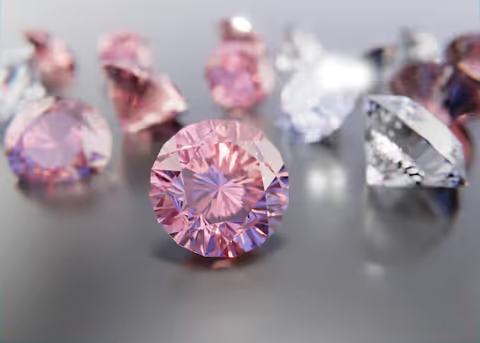
The shape of a diamond describes its outline and facet arrangement. Round brilliant diamonds are frequently associated with solitaire earrings, although other shapes can also be used.
Common choices include:
- Round brilliant, with a circular outline and symmetrical facet arrangement
- Oval, with an elongated rounded shape
- Princess, generally square or rectangular with angular corners
- Cushion, featuring a square or rectangular outline with rounded corners
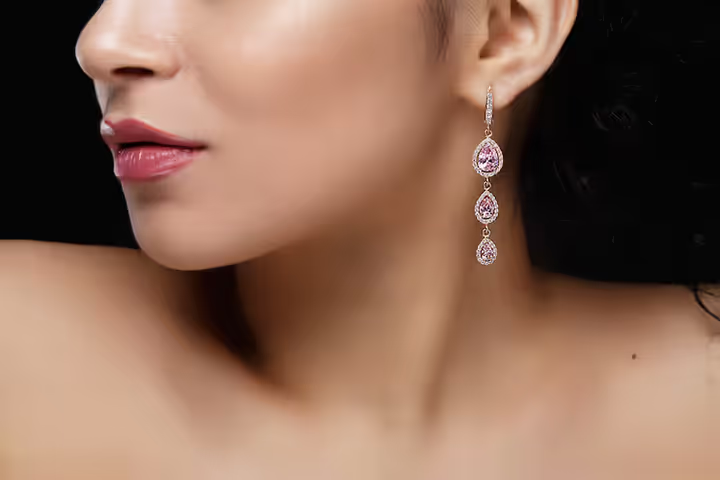
- Pear, combining a rounded end with a pointed end
- Marquise, characterized by an elongated form with pointed ends
- Emerald, generally rectangular with stepped facets
The shape influences how the diamond appears from the front and how its dimensions relate to the earring setting.
Main Setting Styles
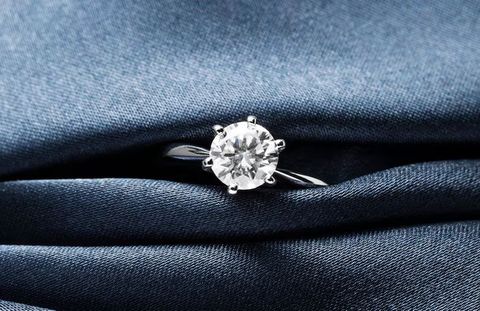
The setting holds each diamond in position and affects how much of the gemstone is visible. Prong settings use small metal projections to secure the stone, while bezel settings use a surrounding metal rim.
Other variations can use basket structures, shared structural components, or modified prong arrangements. The appropriate design depends on the diamond shape, dimensions, intended wear, and physical characteristics of the metal.
Importance
Understanding Diamond Characteristics
Because solitaire earrings contain one principal diamond in each earring, the characteristics of each stone can be noticeable. The four commonly discussed diamond characteristics are cut, color, clarity, and carat weight.
Cut relates to proportions, symmetry, and facet arrangement and is separate from the diamond's shape. Color describes the degree of body color, clarity refers to internal and external characteristics, and carat weight measures the diamond's mass.
Matching a Pair
A pair of Solitaire Diamond Earrings generally contains two diamonds selected to have compatible visual characteristics. They do not necessarily have identical measurements or grades, but differences can influence how closely the earrings appear to match.
Important comparison points include:
- Shape and outline
- Approximate carat weight
- Diameter or length and width
- Color appearance
- Clarity characteristics
- Cut-related proportions
- Table and depth measurements
- Overall visual symmetry
For significant diamond purchases, gemological documentation can provide additional information about individual stones.
Metal Selection
Gold and platinum are widely used for diamond earrings. Gold can be alloyed with other metals to create yellow, white, or rose-colored varieties. Platinum has different density and physical characteristics.
The metal affects the appearance of the earrings, their weight, structural properties, and maintenance requirements. Metal purity and alloy composition are also relevant when interpreting jewelry specifications.
Earring Backings
The backing keeps the earring attached to the ear and can influence comfort and security. Common systems include friction backs, screw backs, lever backs, and locking mechanisms.
The choice depends on the earring design, post dimensions, weight, and personal preference. A heavier earring may require a backing designed for its particular structure.
Weight and Proportions
Diamond earrings need to balance the diamond, setting, post, and backing. Increasing diamond size generally changes the weight and physical dimensions of the earrings.
The relationship between diamond size and setting size also affects the appearance. A narrow setting may create a different visual effect from a wider or more substantial mounting.
Design Comparison
| Design element | Common choices | Main consideration |
|---|---|---|
| Diamond shape | Round, oval, pear, cushion | Visual outline and proportions |
| Setting | Prong, bezel, basket | Stone retention and appearance |
| Metal | Yellow gold, white gold, rose gold, platinum | Color and material characteristics |
| Backing | Friction, screw, lever, locking | Attachment and handling |
| Diamond weight | Various carat weights | Size and overall weight |
| Finish | Polished, brushed, textured | Surface appearance |
Recent Updates
Digital Jewelry Design
Computer-aided design has become an important part of modern jewelry development. Three-dimensional modeling can show how a diamond, setting, post, and backing will fit together before physical production.
Digital models can also help examine symmetry and dimensions. The physical appearance of a completed earring can still vary from a digital rendering because lighting, diamond characteristics, metal finish, and viewing conditions affect appearance.
Laboratory-Grown Diamonds
Laboratory-grown diamonds are increasingly present in the jewelry market. They have essentially the same chemical composition and crystal structure as natural diamonds, while their formation process differs.
Laboratory-grown diamonds can be used in solitaire earrings in the same general setting formats as natural diamonds. Documentation should clearly identify the diamond's origin category and relevant characteristics.
Digital Diamond Visualization
Digital imaging allows users to examine diamonds from different angles before selecting a particular stone. High-resolution photographs, videos, and three-dimensional viewing systems can provide additional visual information.
Digital images should not be treated as a complete substitute for gemological examination. Screen settings, lighting, photography techniques, and magnification can affect how a diamond appears.
Traceability and Documentation
Jewelry documentation increasingly includes information about metal purity, gemstone characteristics, treatments, and diamond origin. The amount of information available depends on the jewelry item, gemstone, laboratory, and documentation system.
For diamonds with individual laboratory reports, report numbers and identifying measurements can provide a way to distinguish one stone from another. Documentation should be interpreted according to the issuing laboratory's definitions.
Manufacturing Precision
Modern jewelry production can combine computer-aided design with casting, computer-controlled machining, laser processes, and conventional craftsmanship. These methods can help create precise earring components.
Gemstone setting and finishing remain important because the diamond must be correctly positioned and secured within the completed structure. Final inspection can examine the setting, posts, backs, surfaces, and stone alignment.
Laws or Policies
Hallmarking in India
Precious-metal jewelry in India is subject to a hallmarking framework administered by the Bureau of Indian Standards. Hallmarking provides information about the purity of applicable precious-metal articles.
Requirements and procedures can change, and not every jewelry component necessarily falls under identical requirements. Current BIS information should be checked when interpreting hallmark details on a particular pair of earrings.
Diamond Disclosure
Natural diamonds and laboratory-grown diamonds represent different origin categories. Accurate descriptions and documentation should distinguish between them.
Gemological reports can provide information about diamond identity and characteristics. The exact contents depend on the laboratory and report type.
Consumer Information
India's consumer-protection framework includes provisions concerning accurate representation of goods and consumer rights. Jewelry documentation can include information such as metal purity, gemstone characteristics, dimensions, and identifying details.
Tax treatment and documentation requirements may depend on the transaction and applicable regulations. Current government sources should be consulted for specific legal questions.
Standards and Gemological Reports
The Bureau of Indian Standards and recognized gemological laboratories provide technical information about precious metals, diamonds, and gemstones. A hallmark and a gemological report serve different purposes.
A metal hallmark primarily relates to metal purity within the applicable framework, while a diamond report describes characteristics of the examined gemstone. Neither document alone necessarily describes every feature of a complete earring.
Tools and Resources
Diamond Measurement Tools
Diamond proportion calculators can help explain relationships between length, width, depth, table dimensions, and other measurements. Such tools provide numerical context but do not replace direct gemological examination.
Gemological Reports
Reports from recognized laboratories can document diamond characteristics and, where applicable, origin category. Report databases may allow identifying information to be checked against laboratory records.
Ring and Earring Measurement References
Jewelry measurement charts can help users understand dimensions such as post length, setting diameter, and gemstone measurements. Actual measurements should be interpreted according to the specific jewelry design.
Digital Design Platforms
Computer-aided jewelry design software can create three-dimensional models of solitaire earrings. Designers can use these models to examine setting dimensions, diamond placement, post alignment, and backing structures.
Jewelry Inspection Checklist
A simple checklist for Solitaire Diamond Earrings can include:
- Diamond shape
- Individual carat weights
- Diamond measurements
- Color and clarity information
- Cut-related information
- Natural or laboratory-grown origin
- Gemological documentation
- Metal type and purity
- Hallmark details
- Setting style
- Backing mechanism
- Earring dimensions
- Pair matching characteristics
Maintaining these details can make technical information easier to compare and document.
FAQs
What are Solitaire Diamond Earrings?
Solitaire Diamond Earrings are earrings that feature one principal diamond in each earring. The stones are typically held in metal settings such as prongs or bezels.
Which diamond shapes are used in Solitaire Diamond Earrings?
Round brilliant diamonds are commonly used, but oval, princess, cushion, pear, marquise, emerald, and other shapes can also be incorporated. Each shape has different proportions and visual characteristics.
How are Solitaire Diamond Earrings matched?
A pair is generally evaluated for compatibility in shape, dimensions, color appearance, clarity characteristics, carat weight, and cut-related proportions. Exact matching depends on the design and the characteristics of the individual diamonds.
Are laboratory-grown diamonds used in Solitaire Diamond Earrings?
Yes. Laboratory-grown diamonds can be incorporated into solitaire earring settings. They have essentially the same chemical composition and crystal structure as natural diamonds, while their formation process and origin differ.
What metals are commonly used for Solitaire Diamond Earrings?
Yellow gold, white gold, rose gold, and platinum are common materials. Their color, alloy composition, purity, density, hardness, and maintenance characteristics differ.
Conclusion
Solitaire Diamond Earrings feature one principal diamond in each earring, creating a design centered on individual gemstones and their settings. Diamond shape, grading characteristics, matching, metal selection, backing design, and proportions all influence the completed pair. Recent developments include digital jewelry modeling, laboratory-grown diamonds, digital gemstone visualization, and expanded documentation. In India, hallmarking, consumer-information requirements, and applicable jewelry standards form part of the wider regulatory framework.