Industrial Induction Melting Furnaces: Guide to Metal Processing
Industrial induction melting furnaces play a pivotal role in the processing of high-temperature metals. Through the application of advanced electromagnetic technology, these furnaces offer a sophisticated method for achieving the precise melting and alloying required in modern metallurgy. With their high efficiency and precision capabilities, induction furnaces have become essential assets in various industrial applications.
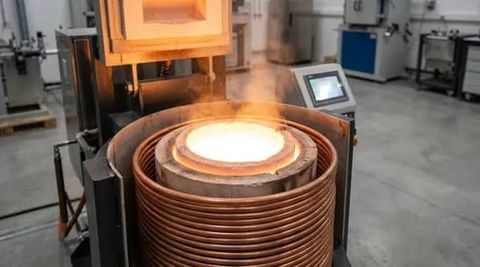
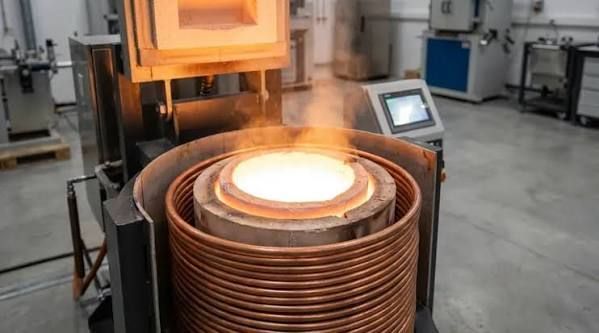
Induction melting furnaces utilize the principles of electromagnetic induction to generate heat within a conductive material. When alternating current (AC) flows through a coiled copper conductor surrounding the metal, an alternating magnetic field is produced. This field induces eddy currents in the metal, increasing its temperature until it melts. This process allows for rapid and uniform heating, which is particularly advantageous in contexts where precise temperature control and homogeneity are required. One of the core advantages of induction melting furnaces is their energy efficiency. Unlike traditional methods that rely on direct heating through combustion or resistance, induction furnaces convert electrical energy directly into thermal energy within the target material. This localized heating reduces energy consumption and minimises heat loss to the surrounding environment. Consequently, industries prioritizing sustainable practices and cost savings frequently adopt induction melting technology. Beyond energy efficiency, induction furnaces offer exceptional control over melting parameters. Operators can easily adjust variables such as heating rate, frequency, and power input, facilitating the production of high-quality metal alloys with consistent properties. The ability to precisely manage these parameters mitigates the risk of unwanted microstructural changes within the material, which is essential for achieving specific physical and mechanical properties in the finished products. Induction melting furnaces also enhance safety in metal processing operations. As they do not rely on open flames or combustible materials, they significantly reduce fire hazards in industrial settings. Additionally, these furnaces often feature advanced safety mechanisms, including automatic shutoff, over-temperature protection, and self-diagnostics, which contribute to a safe working environment for operators. In terms of application range, induction furnaces are used to process various metals, including copper, aluminum, steel, iron, gold, and platinum. Their versatility makes them invaluable in industries such as automotive, aerospace, telecommunications, and jewelry manufacturing. Each application requires tailored solutions depending on factors like the metal's thermal properties, melting point, and desired end-use characteristics. The design and engineering of induction melting furnaces incorporate considerations for both functionality and efficiency. Many modern furnaces are equipped with advanced control systems that permit real-time monitoring and data feedback. These systems enable operators to fine-tune the melting process in response to instantaneous changes, ensuring optimal performance and output quality. Environmental considerations are increasingly influencing the popularity of induction furnaces within the industry. Induction systems typically emit lower levels of greenhouse gases compared to conventional heating methods, aligning with global sustainability goals and regulations. This eco-friendly profile makes induction furnaces attractive options for companies looking to minimize their environmental footprint and promote responsible consumption of energy resources. Maintaining induction melting furnaces involves routine inspections, cleaning of coils, and calibration of control systems to ensure reliable and efficient operation. Adhering to a proactive maintenance schedule helps prevent unexpected downtimes and prolongs the lifespan of the equipment. Operators are also trained to recognize signs of potential issues and perform troubleshooting to maintain production continuity. In summary, induction melting furnaces represent a cornerstone technology in high-temperature metal processing due to their efficiency, precision, safety, and environmental benefits. Ongoing innovations in automation and smart technology fuel the continued evolution of these systems, promising further enhancements in metallurgical processes. As industries increasingly prioritize energy conservation, precision, and safety, the adoption and development of induction melting technology are poised to grow, positioning it as a key player in the future of metals manufacturing.

You May Also Like