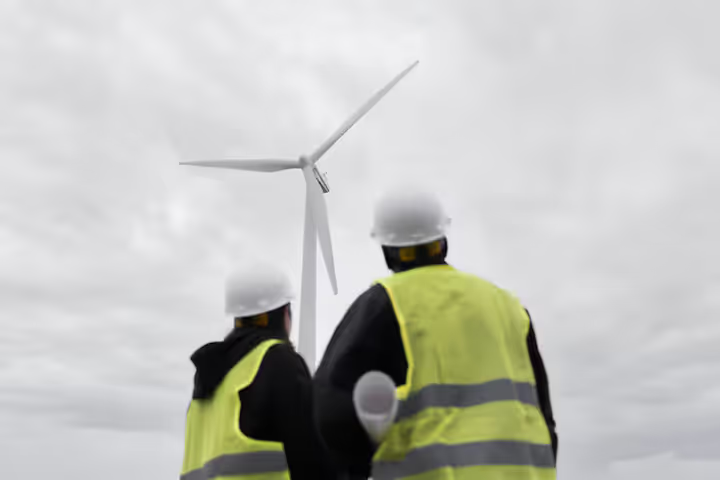
Overview of Wind Turbine Technician Careers: Roles and Requirements
The global transition toward sustainable power generation has positioned the role of wind turbine technicians as a cornerstone of modern infrastructure maintenance.
As thousands of turbines are deployed annually across diverse landscapes, the demand for skilled professionals to install, inspect, and repair these complex machines continues to grow steadily. These technicians serve as the frontline defenders of energy reliability, working at extreme heights and in challenging environmental conditions to ensure that gearboxes, blades, and electrical systems operate at peak efficiency. As prospective candidates explore this specialized field, several practical questions often arise regarding the journey toward professional proficiency. What specific technical training is required to safely handle the high-voltage systems and mechanical assemblies found within a nacelle? How do the career prospects differ between those entering the industry through short-term vocational programs versus those pursuing higher academic engineering credentials? Furthermore, what are the realistic expectations for daily operations, potential earnings, and long-term career growth in this expanding sector? Understanding the Educational Pathways Entering the industry requires a solid foundation in mechanical, electrical, and hydraulic systems. Candidates often weigh the pros and cons of various training routes, specifically looking at the distinction regarding renewable energy engineering degree vs technician certification. While an engineering degree provides a deep theoretical understanding of structural dynamics and grid integration, it is often more focused on design and project management rather than hands-on field maintenance. Conversely, technician certifications focus on the direct application of safety protocols, troubleshooting, and component replacement. Many employers prioritize candidates who have completed standardized training because these programs emphasize the specific safety standards, such as working at heights and confined space entry, which are essential for site compliance. Choosing the right path depends on whether an individual aspires to work in technical field support or prefers a trajectory into design and system development. Identifying Quality Training Programs Aspiring technicians must vet their educational options carefully to ensure the curriculum aligns with industry expectations. When evaluating programs, students often look for top rated wind energy trade schools that maintain close partnerships with major turbine manufacturers and utility companies. These institutions frequently provide access to specialized equipment, such as simulated nacelles and hydraulic training benches, which allow students to practice procedures in a controlled setting. While some may seek convenience through wind energy technician training online, it is critical to note that the theoretical portion of the training can be effectively managed remotely, but the physical, hands-on components remain non-negotiable. For those looking to maximize their employment potential, investing in the best paid wind turbine technician certification programs can provide a significant advantage during the hiring process. These programs often include certifications in rope access, electrical safety, and first aid, which are highly regarded by firms looking for job-ready recruits. Navigating the Entry Level Landscape Securing an initial position in the wind sector is the first step toward a long and fulfilling career. Candidates frequently research entry level wind turbine technician salary and benefits to understand the value of their investment in training. In the current market, base pay for newcomers typically ranges from approx. 45,000 USD to 60,000 USD per year, though this figure varies based on regional demand and the specific requirements of the project site. Beyond base pay, compensation packages often include comprehensive benefits such as health insurance, retirement contributions, and per diem allowances for travel-heavy roles. Many companies also offer performance bonuses for meeting maintenance targets or reaching safety milestones. Understanding these financial structures helps candidates make informed decisions when evaluating various wind turbine maintenance technician job openings in their geographic area or when considering relocation for better opportunities. Daily Responsibilities and Technical Requirements The daily life of a technician is demanding and requires a blend of physical stamina and technical acumen. Responsibilities involve performing scheduled maintenance checks, which include inspecting cooling systems, tightening bolted joints, and testing electrical circuitry. Because turbines are often located in remote areas, technicians must be proficient in troubleshooting complex faults on their own, often while suspended hundreds of feet in the air. Safety is the foremost priority in every action, as the risk profile in this industry is exceptionally high. Technicians must strictly adhere to lock-out tag-out procedures when working near moving parts or high-voltage components. The ability to read technical schematics and use specialized diagnostic tools is essential for diagnosing issues with pitch control systems or generator performance. Success in this role requires a methodical approach to problem-solving and a commitment to maintaining rigorous safety standards in every environment, regardless of the weather conditions. Advancing the Career Path Once a technician has established themselves in the industry, the potential for specialization and advancement increases. Professionals might transition into lead technician roles, site management, or specialized quality assurance positions. A notable trajectory for many experienced workers is the offshore wind turbine technician career path. Working on offshore wind farms involves unique challenges, including helicopter or boat transit to the turbines, working in marine environments, and dealing with more complex logistics. Because offshore work requires specialized training in water survival and advanced maritime safety, it is generally associated with higher compensation and unique professional prestige. Technicians who demonstrate leadership, reliability, and superior troubleshooting skills are often fast-tracked for these roles, as companies seek to bolster their offshore infrastructure with proven personnel who can handle the isolation and technical complexity inherent in ocean-based energy generation. Adapting to Industry Evolution The wind energy sector is not static; it is constantly evolving with advancements in digital monitoring and turbine size. As turbines become larger and more complex, the role of the technician is shifting toward data-driven maintenance. Technicians are now frequently trained to use drone-assisted inspection tools, vibration analysis software, and remote telemetry to predict when a component is likely to fail before it actually breaks. This proactive maintenance approach, often referred to as condition-based monitoring, is changing the daily workflow from strictly reactive repairs to sophisticated system diagnostics. Furthermore, as the industry integrates energy storage solutions and hybrid power systems, technicians are increasingly required to develop broader knowledge in battery management and power distribution. Staying current with these trends is vital for any technician who wishes to remain competitive in a landscape that values adaptability and continuous technical education. Professional Development and Long-Term Stability Long-term career success in the wind industry is rooted in a commitment to ongoing professional development. Even after gaining initial employment, technicians are encouraged to pursue additional certifications in areas like fiber optics, advanced electrical troubleshooting, or specialized blade repair. Companies often incentivize this growth, offering tuition reimbursement or paid time off for training sessions. Furthermore, the industry is increasingly focused on cross-training, where technicians learn to support other renewable energy technologies, such as solar arrays or battery storage installations. This versatility increases a technician's value to their employer and provides a buffer against cyclical changes in the energy market. By focusing on building a broad, verifiable skill set, technicians can ensure their services remain in high demand as the global energy infrastructure continues to shift away from traditional fuel sources toward a more decentralized and renewable model. Conclusion The career of a wind turbine technician is defined by a unique combination of technical expertise, physical rigor, and a commitment to the global energy transition. As discussed, the path begins with selecting the appropriate educational foundation, whether that involves a technical trade school or a broader engineering degree, and continues through the pursuit of industry-recognized certifications. Potential candidates should carefully analyze the financial aspects of entry level roles while keeping an eye on long-term growth trajectories, such as moving into offshore operations or specialized technical management. By maintaining a focus on safety, technical proficiency, and continuous learning, technicians can find substantial stability and advancement within this critical sector. While the work is demanding, the opportunity to contribute directly to the production of clean electricity offers a sense of purpose that is increasingly rare in the modern workforce. Whether a professional chooses to work in onshore wind farms or pursues the more complex offshore wind turbine technician career path, the skills acquired in this field remain highly transferable and increasingly valuable as the world continues its commitment to sustainable infrastructure. The industry is currently entering a phase of rapid maturity, and those who enter now with the right training and a proactive mindset are well-positioned to lead the next generation of energy technicians. Frequently Asked Questions Q: What are the primary physical requirements for becoming a wind turbine technician?A: Candidates must be comfortable working at significant heights, often over 200 feet, and in confined, cramped spaces within the nacelle. Physical stamina is essential for climbing ladders, carrying tools, and performing manual labor in varied weather conditions. Employers typically require candidates to pass a physical fitness test, including a drug screen and a height-tolerance assessment, to ensure they can operate safely in demanding environments. Q: Can I transition into the wind industry if I have prior military or automotive experience?A: Yes, individuals with military backgrounds or experience in automotive, aerospace, or industrial maintenance are highly sought after by recruiters. Skills like electrical troubleshooting, hydraulic system repair, and mechanical assembly are directly transferable. Many companies provide bridge training programs to help veterans or mechanics adapt their existing knowledge to the specific safety protocols and equipment standards required for wind turbine maintenance. Q: How often do wind turbine technicians travel for their jobs?A: Travel requirements vary significantly depending on the employer and the specific project. Some technicians are assigned to a permanent site near their home, while others work as part of regional maintenance teams that travel to different wind farms throughout the week or month. Offshore roles often involve rotational schedules, such as two weeks on and two weeks off, which may require staying in temporary housing or on specialized vessels. Q: Is it possible to work on wind turbines without a formal degree?A: It is possible to enter the field with a high school diploma and specialized vocational training. While some employers prefer a two-year degree, many are willing to hire candidates who have completed an accredited wind turbine technician certificate program. These programs provide the necessary hands-on skills and safety certifications that employers value, often serving as a sufficient credential for entry-level technician positions in the industry.