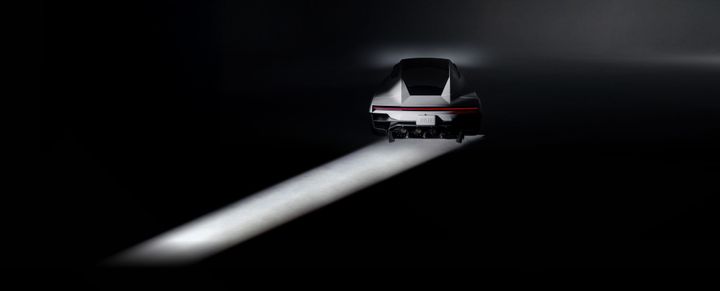
Roadster – Electric Sports Car: Design, Performance, Technology and Range Guide
A roadster electric sports car combines the open-top or two-seat character of a traditional roadster with an electric powertrain. Instead of relying on a petrol engine, it uses an electric motor powered by a rechargeable battery.
The result is a vehicle concept that brings together sports-car design, responsive acceleration, digital controls, and battery-based mobility.
The term “roadster” traditionally describes a lightweight, open-top automobile designed primarily for driving enjoyment. Electric roadsters retain many of these characteristics while introducing technologies such as regenerative braking, battery management systems, and electronic power controls. Depending on the model, a roadster may have a removable roof, a folding roof, or a fixed body structure.
Electric sports cars developed alongside broader advances in battery technology and electric vehicle engineering. Improvements in battery energy density, electric motor efficiency, and electronic control systems have helped manufacturers develop vehicles with performance characteristics that differ from those of conventional combustion-engine sports cars.
The phrase “Roadster – Electric Sports Car” can refer to the general vehicle category or to a specific model, such as the Tesla Roadster. These meanings should be distinguished because specifications, production status, availability, and technical claims depend on the particular vehicle being discussed.
How an Electric Roadster Works
An electric roadster stores energy in a rechargeable battery pack. The battery supplies electricity to one or more electric motors, which turn the wheels through a drivetrain designed for electric propulsion.
A power electronics system regulates the flow of electricity between the battery and motor. Software coordinates acceleration, traction control, battery temperature, and other operating functions.
When the driver slows down, regenerative braking can convert some of the vehicle's kinetic energy into electrical energy that returns to the battery. Conventional friction brakes remain necessary for additional braking force and emergency situations.
Main Components of an Electric Sports Car
Several components determine how an electric roadster operates:
Battery pack: Stores the electrical energy used for driving.
Electric motor: Converts electrical energy into mechanical movement.
Power electronics: Controls electrical energy flow and motor operation.
Thermal management: Helps maintain suitable temperatures for the battery, motor, and related components.
Charging system: Transfers electricity from an external source into the battery.
Vehicle control software: Coordinates acceleration, braking, traction, and other electronic functions.
The arrangement of these components affects vehicle weight, handling, cabin space, charging requirements, and overall performance.
Importance
Electric roadsters illustrate how electric vehicle technology can be applied to vehicles designed around driving experience rather than everyday transportation alone. They also provide an example of how battery engineering, lightweight structures, software, and aerodynamic design influence modern automotive development.
Their relevance extends beyond individual drivers. Automakers, component manufacturers, charging-network operators, and battery developers all contribute to the technologies used in electric performance vehicles.
Driving Performance and Handling
Electric motors can deliver substantial torque from low speeds, allowing rapid acceleration when sufficient power and traction are available. This characteristic differs from many combustion engines, which generally need to reach particular engine speeds to deliver their strongest torque.
However, acceleration depends on several factors, including motor output, battery power, tire grip, vehicle weight, and electronic limitations. Performance figures should therefore be assessed using specifications and independent testing for the particular model.
Handling also depends on chassis design, suspension geometry, steering calibration, and weight distribution. A battery mounted low in the vehicle can lower its centre of gravity, although the battery's mass can increase overall vehicle weight.
Energy Use and Everyday Practicality
Electric roadsters do not produce exhaust emissions while driving. Their overall environmental impact, however, depends on electricity generation, battery production, material sourcing, vehicle manufacturing, and end-of-life treatment.
Practicality varies by design. A two-seat vehicle may have limited luggage space, while an open-top body can introduce additional considerations involving weather protection, cabin insulation, and structural rigidity.
Potential owners and automotive researchers also need to consider charging access, driving range, local road conditions, and the availability of qualified technicians familiar with high-voltage systems.
Recent Updates
Developments across 2024–2026 reflect broader changes in electric sports-car engineering, battery technology, charging infrastructure, and digital vehicle systems. Specific developments involving an individual Roadster model should be checked against current manufacturer announcements because proposed specifications and production schedules can change.
Battery Technology and Driving Range
Battery research continues to examine improvements in energy density, charging performance, thermal stability, and durability. Higher energy density can allow a manufacturer to store more energy within a given battery mass or volume, although practical results depend on the complete battery design.
Lithium-ion batteries remain widely used in electric vehicles. Research into alternative chemistries, including solid-state battery designs, continues, but research progress should not be confused with widespread commercial deployment.
Driving range depends on battery capacity, speed, temperature, road gradients, tire characteristics, and driving style. High-performance driving generally consumes more energy than steady driving under moderate conditions.
Aerodynamics and Lightweight Materials
Electric sports-car development increasingly considers how body shape affects energy use and high-speed stability. Aerodynamic drag rises substantially as speed increases, making body design important for both performance and efficiency.
Manufacturers may use aluminium, advanced steel structures, carbon-fibre composites, and other materials to balance weight, stiffness, safety, and manufacturing requirements. These materials have different properties and production processes, so the choice depends on the vehicle's engineering priorities.
Software and Vehicle Controls
Electronic control systems influence acceleration response, torque distribution, traction, regenerative braking, and stability management. Software updates may also modify selected vehicle functions, depending on the manufacturer's architecture and policies.
Digital vehicle systems introduce additional cybersecurity and reliability considerations. Manufacturers must account for software faults, data protection, and the safe behaviour of electronic systems under different driving conditions.
The following table summarizes key characteristics of electric roadsters.
Feature | Function | Main consideration |
|---|---|---|
Electric motor | Drives the wheels | Power output and efficiency |
Battery pack | Stores driving energy | Capacity, weight, and temperature |
Regenerative braking | Recovers some kinetic energy | Effectiveness varies by driving conditions |
Aerodynamic body | Manages airflow | Drag, stability, and cabin design |
Thermal management | Controls component temperatures | Performance and battery durability |
Charging system | Replenishes battery energy | Connector compatibility and charging power |
Electronic stability controls | Help manage traction and vehicle stability | Tire grip and road conditions |
Laws or Policies
Electric sports cars are affected by vehicle safety standards, registration rules, battery transportation requirements, environmental regulations, and charging infrastructure policies. The applicable rules depend on the country where the vehicle is manufactured, imported, registered, or driven.
Electric Vehicle Regulations in India
In India, electric vehicles must meet applicable vehicle approval, safety, and registration requirements. The Ministry of Road Transport and Highways establishes and administers relevant requirements under the Motor Vehicles Act, 1988, and the Central Motor Vehicles Rules, 1989, as amended.
Imported vehicles may also be subject to customs procedures, homologation requirements, and other applicable regulations. A vehicle developed for another market may require assessment before it can be registered for road use in India.
Electric vehicle battery safety is also an important regulatory consideration. Applicable standards and testing requirements can cover electrical safety, battery performance, and protection against hazards. The specific requirements depend on vehicle category and the regulations in force.
Charging Infrastructure and Government Programs
India has introduced policies and initiatives intended to support electric mobility and charging infrastructure. The Ministry of Heavy Industries and other government bodies have administered programs relating to electric vehicle adoption and supporting infrastructure, with eligibility and scope varying by scheme.
Charging facilities must comply with relevant electrical safety requirements and applicable technical standards. Charging connector compatibility, electrical supply capacity, and installation conditions affect whether a particular charging arrangement can be used safely.
Road Safety and Battery Disposal
Electric vehicles must comply with applicable traffic laws and road safety requirements. Drivers should understand the vehicle's braking behaviour, performance characteristics, and safe operation of electronic assistance systems.
Battery handling and end-of-life management are also important. India's Battery Waste Management Rules, 2022, establish extended producer responsibility and other obligations for covered battery categories, subject to the applicable provisions and amendments. Battery recycling and disposal should follow the relevant regulatory framework.
Tools and Resources
Researching an electric roadster involves examining vehicle specifications, charging requirements, energy consumption, and local regulations. Reliable information should distinguish confirmed production models from concepts, prototypes, and vehicles that remain under development.
Vehicle Research Resources
Several resources can help readers understand electric sports cars:
Manufacturer specifications: Provide published information about battery capacity, motor output, seating, dimensions, and charging compatibility.
Ministry of Road Transport and Highways: Provides information about Indian vehicle regulations and registration-related requirements.
Bureau of Indian Standards: Publishes applicable technical standards and information about standardization.
Ministry of Heavy Industries: Provides information about relevant electric mobility policies and government initiatives.
Charging-network applications: Help identify charging locations, connector types, and charging facilities where current information is available.
Published specifications should be compared carefully. Manufacturer-estimated range, independently measured range, and range under a standardized testing cycle may differ.
Evaluating Range and Charging
A simple calculation can help estimate the energy required for a journey. If a vehicle consumes 18 kilowatt-hours per 100 kilometres, a journey of 200 kilometres would require approximately 36 kilowatt-hours under the same assumed driving conditions.
Actual consumption may differ because of speed, weather, elevation, traffic, and cabin climate control. Charging time also depends on the battery's charging curve, the charger's power, temperature, and the vehicle's charging limits.
Readers comparing electric roadsters can examine these factors alongside seating capacity, luggage space, safety equipment, warranty conditions, and regional availability.
FAQs
What is a Roadster electric sports car?
An electric roadster is a sports-oriented vehicle powered by an electric motor and rechargeable battery. Traditional roadsters typically have an open-top design and two seats, although modern vehicle designs vary.
How does an electric roadster differ from a petrol sports car?
An electric roadster uses battery-powered motors rather than a petrol engine. It can provide strong low-speed torque and regenerative braking, while its range depends on battery capacity and driving conditions.
What is the driving range of an electric roadster?
Driving range varies by model, battery capacity, speed, weather, and driving style. The published range for a particular vehicle should be checked against its official specifications and the testing method used.
How long does an electric sports car take to charge?
Charging time depends on battery capacity, charger power, temperature, and the vehicle's charging limits. A compatible high-power charger may replenish a battery faster than a standard household connection, but charging speed generally varies throughout the charging session.
Is the Tesla Roadster available in India?
Availability depends on the vehicle's current production and delivery status, as well as Indian import and registration requirements. Readers should consult current manufacturer announcements and applicable Indian vehicle regulations rather than relying on older launch estimates.
Conclusion
An electric roadster combines sports-car design with battery-powered propulsion, electronic controls, and regenerative braking. Its performance, driving range, charging requirements, and practicality depend on the particular vehicle and its engineering. Developments in batteries, lightweight materials, and software continue to influence electric sports-car design, while safety and battery regulations shape how these vehicles are manufactured and used. Understanding the technology and the applicable rules provides a useful foundation for evaluating the electric roadster category.